

A property can look ready for closing and still carry an environmental issue that affects commercial real estate loan underwriting. This assessment helps your lender evaluate potential environmental risk, but it doesn’t guarantee approval. Exact requirements depend on the lender, property type, transaction structure, and jurisdiction.
For an owner-user acquisition, a warehouse expansion, or a multifamily refinance, treat the appraisal, rent roll, title work, and environmental review as parallel due diligence workstreams. Starting the environmental review late can turn an otherwise financeable deal into an expensive extension.
This post may contain affiliate links. If you make a purchase through these links, I may earn a small commission at no extra cost to you.
Key Takeaways
- A Phase I ESA reviews a commercial property’s history, records, site conditions, and potential releases involving hazardous substances or petroleum products, but it does not test soil, groundwater, or indoor air.
- Lenders use the assessment to evaluate environmental risk, collateral value, cleanup exposure, and potential ownership liability. A report does not guarantee loan approval or establish legal liability protections by itself.
- Recognized Environmental Conditions may lead to additional investigation, such as a targeted Phase II ESA, remediation planning, environmental insurance, reserves, or changes to the transaction structure.
- Choose an Environmental Professional who meets applicable federal and ASTM E1527-21 requirements and is accepted by the lender, rather than selecting a provider based only on price.
- Order the assessment early and track the applicable 180-day updates under the All Appropriate Inquiries framework so environmental findings do not delay closing.
Why a Phase I ESA matters for commercial property loans
An Environmental Site Assessment reviews a property’s history for potential releases involving hazardous substances and petroleum products. It screens without sampling, so it doesn’t test soil, groundwater, or indoor air.
Lenders order the report as due diligence before acquisition because environmental liability can reduce collateral value, create cleanup exposure, and bring potential ownership liability. A former dry cleaner can trigger lender questions during commercial real estate underwriting. SBA-backed loans, multifamily lenders, and conventional commercial lenders often have their own environmental screens and reporting rules.
CERCLA liability protection starts before you close
Under federal law, property ownership can carry cleanup responsibility even when a current owner didn’t cause the release. Completing EPA’s All Appropriate Inquiries process before a real estate transaction closes can support potential legal protections.
A Phase I report alone doesn’t establish the innocent landowner defense. Continuing obligations, appropriate care after closing, cooperation with regulators, and other legal requirements still apply.
Lenders need a clear risk decision
A property history involving a dry cleaner may warrant closer review. Lenders may approve, condition, restructure, or pause a loan based on the findings, ideally before earnest money becomes nonrefundable.
The report also supports the broader file. Review it alongside a commercial property loan approval guide so environmental findings, tenant income, property condition, and global cash flow tell a consistent story.
What a Phase I ESA actually includes
The current ASTM E1527-21 standard sets the usual framework for a commercial property Environmental Site Assessment. It generally covers records review, site inspection, interviews, and professional judgment, not physical sampling. The Environmental Professional performing the work must qualify under the applicable federal definition, document limitations, and connect evidence from those sources.
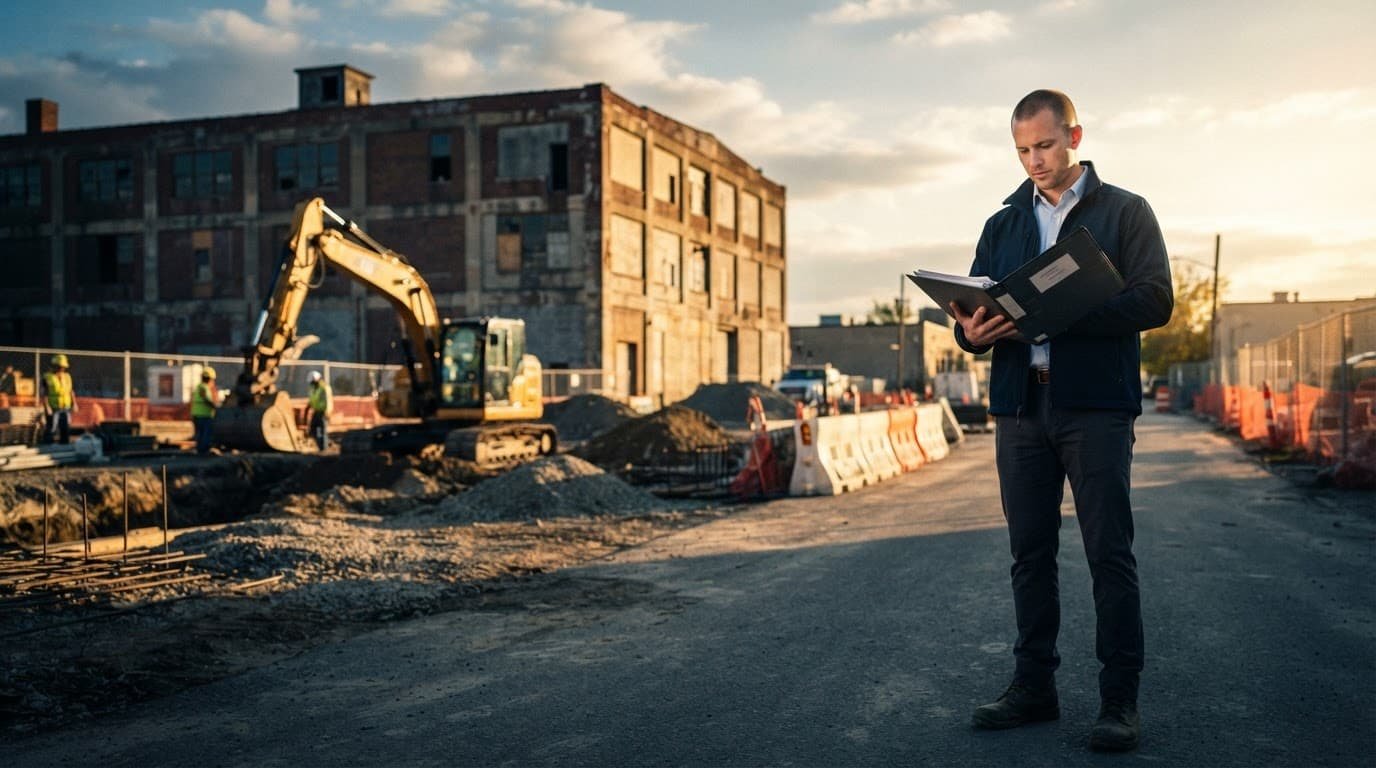
Historical records and government databases
The consultant reviews available records, including aerial photographs, fire insurance maps, city directories, topographic maps, and prior reports. Those records can reveal former dry cleaner sites, auto repair bays, fuel stations, manufacturing operations, landfills, or agricultural activity.
They also search regulatory databases for hazardous-waste sites, leaking underground storage tanks, cleanup cases, and nearby facilities, including a dry cleaner. A listing doesn’t automatically mean the property has contamination, since distance, groundwater direction, regulatory status, and facility history all matter.
Site reconnaissance and interviews
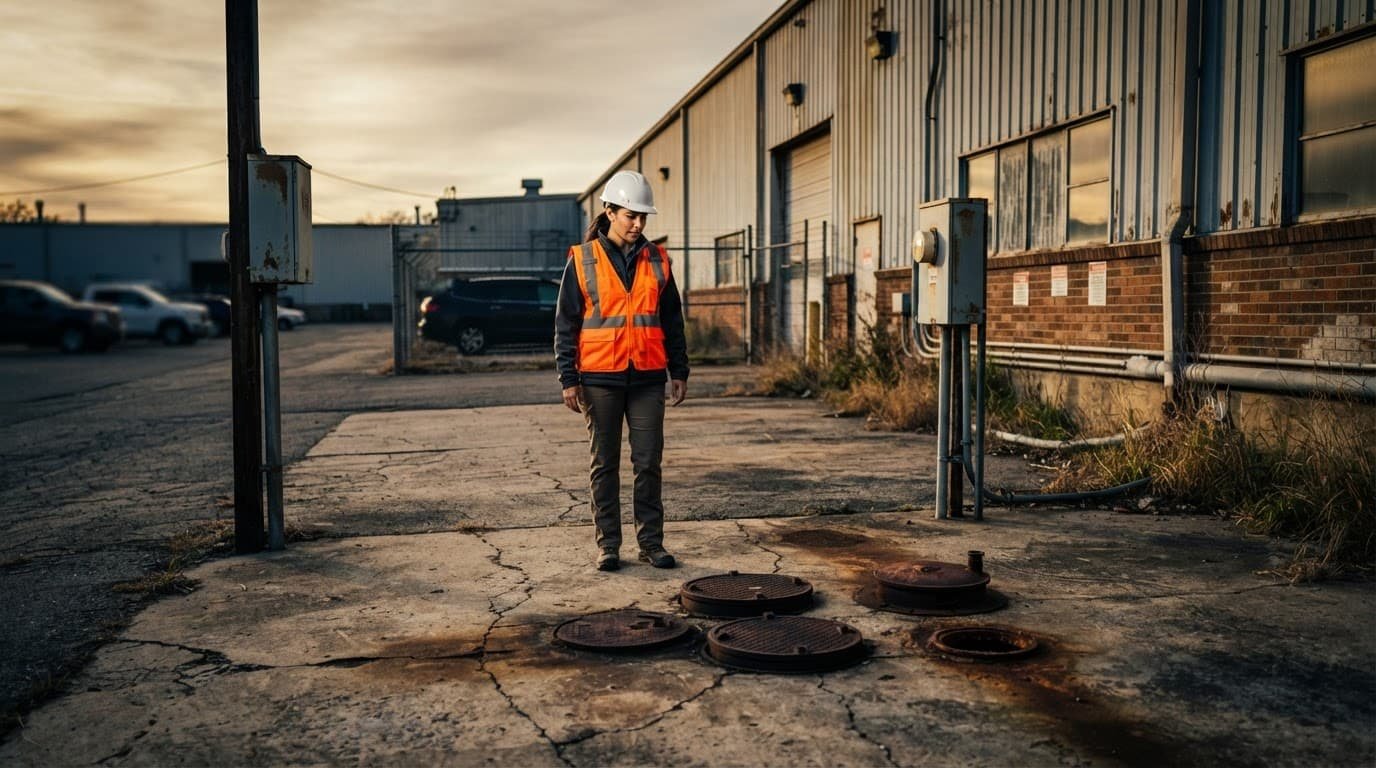
During the site visit, the consultant looks for staining, fill areas, chemical storage, drains, distressed vegetation, former tank locations, and signs of dumping. They also inspect adjoining properties when visible from accessible areas, noting clues that may indicate hazardous substances or past releases.
Interviews with owners, occupants, and local officials can fill gaps in public records. The final report states its conclusions, identifies data limitations, and includes the consultant’s opinion.
The assessment is non-invasive. It may identify a need for a Phase II ESA, but it can’t by itself confirm that contamination is absent. Soil and groundwater aren’t tested within this scope.
Recognized Environmental Conditions and their effect on a deal
The report’s findings from a Phase I ESA often guide the next underwriting decision. Recognized Environmental Conditions, or RECs, indicate a known, likely, or possible release of hazardous substances or petroleum products.
A REC isn’t a cleanup order or a final finding of environmental contamination. It signals the need for further investigation before a lender or buyer accepts the risk.
REC, CREC, and HREC are not interchangeable
An REC may involve an active concern, such as a former dry cleaner or former gasoline station with underground storage tanks and no documented closure. A Controlled REC, or CREC, describes contamination managed through active remediation, institutional controls, or land-use restrictions.
A Historical REC, or HREC, refers to a past release addressed through a completed regulatory response. A closed case may still involve monitoring costs or restrictions on excavation.
Ask the consultant to explain each label in plain language. Then ask whether the condition affects loan approval, property value, planned construction, tenant operations, or future resale.
When a Phase II ESA is the right response
A targeted Phase II ESA collects physical samples to investigate the concern identified in the initial report.
A Phase II Environmental Site Assessment may include soil and groundwater samples, soil borings, groundwater monitoring wells, soil-vapor testing, or material sampling. At a dry cleaner, solvent concerns may require evaluating vapor intrusion or expanding the soil-vapor scope.
Notify the lender, review the consultant’s reasoning, and define targeted or expanded sampling. Get cost and schedule estimates, then check regulatory requirements.
Qualified advisers can help negotiate indemnities, escrow, price adjustments, insurance, or termination rights. Depending on the lender and jurisdiction, lenders may require a remediation plan, with responsibility, cost, and schedule affecting underwriting. They may also require a Phase II ESA, monitoring, environmental insurance, reserves, or a different structure. Outcomes vary by lender and jurisdiction.
Choose an Environmental Professional, not the cheapest report
A bargain report can become costly if it misses a former use, overlooks an adjacent source, or fails the lender’s requirements. Your consultant should meet the Environmental Professional definition in 40 C.F.R. 312.10 and prepare the report under ASTM E1527-21. Confirm the lender accepts the consultant, report format, and proposed deliverables.
For example, a consultant with fuel-site experience brings different judgment to a former service station, while a dry cleaner raises different questions about historical operations. Local experience also helps with state database practices, records availability, and agency terminology. Check relevant property experience, independence, insurance coverage, and the consultant’s assumptions before comparing fees.
Questions to ask before you engage a consultant
Use these questions when comparing proposals:
- Will your team meet the lender’s acceptance requirements, and what deliverables are included?
- What records, site access, interviews, and client information do you need, and what turnaround time can you provide?
- What experience does your team have evaluating remediation plans, controls, or agency correspondence for similar properties?
- If findings warrant a Phase II ESA, can you provide a written scope, separate pricing for that work or other additional services, and the likely timeline? Does the quoted fee exclude follow-up work?
Avoid a provider that promises a clean conclusion before completing the investigation. You need independent findings, not a document built to protect a closing date.
Keep the Phase I ESA current through loan closing
Timing causes avoidable problems. Under the All Appropriate Inquiries framework, several key components must occur or be updated within 180 days before the acquisition or real estate transaction date. These include interviews, lien searches, government-record reviews, the site inspection, and the environmental professional’s declaration.
The AAI rule gives the report a one-year shelf life only when those specified components are completed or updated within 180 days. Lender acceptance isn’t guaranteed, and an Environmental Site Assessment may still require a newer report or additional work. EPA’s AAI fact sheet confirms that the ASTM E1527-21 process can satisfy the federal rule.
Build the report into the underwriting calendar
Order the assessment when the letter of intent becomes serious, not after final loan approval. Build it into due diligence, then give the lender the consultant’s proposal, expected delivery date, and any findings as soon as they’re available.
A practical sequence keeps everyone aligned:
- Confirm the lender’s required scope and environmental policy before ordering the report.
- Give the consultant the correct legal description, access contacts, historic reports, and planned property use.
- Review draft findings with counsel, the lender, and the broker before contingencies expire.
- Track the 180-day dates if appraisal, zoning, title, or construction issues push closing back. Records or follow-up for a former dry cleaner may take longer.
- Reserve enough time for a Phase II ESA or lender review if a REC appears.
Requirements vary by property type, transaction, state or local rules, and planned construction. SBA loans may involve different screens, while multifamily, conventional, portfolio, and construction lenders can impose different forms, updates, or environmental screens.
Fannie Mae requires its multifamily environmental work to follow the applicable ASTM standard. Some programs can require additional screening for environmentally sensitive uses. Review the applicable SBA 7(a) loan requirements early rather than treating the report as a last-minute formality.
Protect business cash while diligence moves forward
Environmental diligence can slow a commercial property closing, but payroll, inventory, supplier deposits, and equipment needs don’t pause. Keep transaction funds, operating reserves, and daily cash separate while the review is pending.
A contractor waiting on a milestone draw may need funding to bridge payroll and project completion. Short-term construction business bridge loans can cover a defined operating gap, while the property loan follows its own underwriting schedule. This funding supports cash flow only and doesn’t replace lender requirements.
Retail owners may need seasonal inventory funding before a holiday rush. Inventory financing for e-commerce can also help when purchase orders rise before marketplace payouts settle. Keep these needs separate from acquisition reserves and other transaction funds.
Use short-term capital with a defined purpose
Working capital for SMBs helps cover temporary operating gaps, not conceal a weak property deal. If a one-time issue affects your company, working capital may help cover payroll, repairs, or inventory while due diligence continues.
Some businesses may qualify for short-term funding based on revenue and documentation. Review total repayment, payment frequency, and the cash left after funding before accepting any offer.
For recurring timing gaps, unsecured business lines of credit can offer more control than repeat lump-sum financing. A standby line may help a healthcare practice manage delayed insurance reimbursements or help service businesses cover payroll while invoices lag.
Strengthen the business behind the property purchase
Property lenders review more than the building. They also assess operating performance, existing payment obligations, liquidity, and global cash flow. The goal is to determine whether the business can support the loan through uneven months.
Capital planning can help a company with real traction but limited reserves. Any financing should support a measurable need, such as materials, equipment, or a revenue-producing expansion.
Build capacity before you need it
Cash flow planning starts with a 13-week forecast covering receivables, payroll, debt payments, taxes, and inventory purchases. Include environmental consultant fees, possible follow-up investigation, additional reserves, and closing extensions.
That forecast helps show whether capital solves a timing issue or exposes an operating shortfall. Review how business credit supports growth before seeking another property loan, but remember that financial preparation doesn’t resolve an unresolved environmental concern.
A strong capital plan supports the transaction, but it doesn’t guarantee loan approval. Keep enough liquidity for required payments and unexpected diligence costs while the lender completes its review.
Frequently Asked Questions
Is a Phase I ESA required for every commercial property loan?
Not every loan has identical environmental requirements. Lenders may impose different screens or reporting standards based on the property type, transaction structure, loan program, jurisdiction, and planned use.
Does a Phase I ESA test for contamination?
No. A Phase I ESA is generally non-invasive and does not include physical sampling of soil, groundwater, indoor air, or building materials. If the report identifies a potential release, the lender or buyer may require a targeted Phase II ESA.
What does a REC mean for a commercial property loan?
A Recognized Environmental Condition indicates a known, likely, or possible release of hazardous substances or petroleum products. It is not a final finding of contamination or an automatic reason for denial, but it may prompt further investigation or loan conditions.
How long is a Phase I ESA valid?
Under the All Appropriate Inquiries framework, the report generally has a one-year shelf life only when specified components are completed or updated within 180 days before the transaction. The lender may still require a newer report, additional updates, or follow-up work.
Who should prepare a Phase I ESA?
The assessment should be prepared under ASTM E1527-21 by an Environmental Professional who meets the applicable federal definition in 40 C.F.R. 312.10. Confirm that the lender accepts the consultant, report format, scope, and proposed deliverables before ordering the work.
Make the environmental report part of a stronger deal
A Phase I ESA protects more than the lender’s collateral. Order it early to identify environmental risk, including a former dry cleaner, and preserve time to negotiate responsibility before closing.
When findings point to Recognized Environmental Conditions, share them with the lender and investigate whether environmental contamination warrants further review. A qualified environmental consultant can help clarify who bears environmental liability for ownership and cleanup, then evaluate whether remediation or controls are needed.
Keep contractual time to investigate or negotiate, and use the findings to decide whether the property still fits your plan. That sequence makes due diligence more useful when assessing commercial real estate and the business behind it.
This article provides general information, not legal, environmental, engineering, or financial advice. A report cannot guarantee loan approval or eliminate liability.