One overlooked fuel tank can turn an owner-occupied real estate transaction into a delayed or repriced deal. Environmental due diligence gives you the facts to set a price, negotiate protections, and present a financeable project to lenders.
Strong revenue and a down payment won’t fix unanswered environmental risks involving soil, groundwater, vapor, wetlands, or past industrial use. Start the review before your financing package is complete, because late findings can change loan proceeds, equity needs, and construction timing.
A disciplined investigation lets you address risk while you still control the deal terms.
This post may contain affiliate links. If you make a purchase through these links, I may earn a small commission at no extra cost to you.
Key Takeaways
- Begin environmental due diligence during the inspection period, starting with a current Phase I Environmental Site Assessment that follows applicable ASTM standards.
- Use targeted Phase II testing when a Phase I identifies recognized environmental conditions involving soil, groundwater, vapor, tanks, spills, or nearby contamination.
- Review wetlands, floodplains, protected habitat, institutional controls, engineering controls, zoning, and development plans alongside contamination risks.
- Allocate cleanup costs, testing expenses, insurance, escrows, and construction changes before closing, and provide lenders with a complete environmental risk package.
- Maintain CERCLA-related continuing obligations after closing, including compliance with land-use restrictions, cooperation with cleanup work, recordkeeping, and required notices.
Why environmental due diligence comes before financing
Environmental risks can affect a property’s value, permitted use, insurance terms, and lender appetite. A former gas station with underground storage tanks, dry cleaner, auto shop, metal fabricator, or industrial yard can carry risks that aren’t visible during a walkthrough.
The U.S. Environmental Protection Agency describes All Appropriate Inquiries as the process of evaluating environmental conditions and potential contamination liability before acquiring property. For a borrower, it also supports a credible financing file and a clearer understanding of the property’s environmental compliance history.
It protects the deal, not only the buyer
Lenders review environmental risk because a cleanup can interrupt operations, reduce collateral value, and leave the property hard to sell. If testing reveals petroleum impacts or hazardous substances after closing, the borrower may face costs that were never included in the original budget.
Environmental due diligence also gives you negotiating power when findings are documented. You may have room to reduce the purchase price, require the seller to complete more testing, establish a cleanup escrow, or walk away under a contract contingency.
A lender can price a documented risk. No one can price a mystery.
Start with a current Phase I Environmental Site Assessment
For most commercial property acquisition and refinance, environmental due diligence starts with a Phase I Environmental Site Assessment. It is a records-based review, not a sampling program. An environmental professional reviews historical records, maps, aerials, regulatory databases, property records, nearby uses, and current site conditions.
Current ASTM standards, specifically ASTM E1527-21, may satisfy EPA-recognized requirements for All Appropriate Inquiries. Don’t rely on an old report without asking whether its time-sensitive components need an update before closing.
Set the scope before ordering the report
Tell the consultant how you plan to use the site. A warehouse conversion, medical office buildout, contractor yard, retail center, and multifamily redevelopment can raise different concerns.
Share the purchase agreement, title documents, site plans, zoning information, lender requirements, and known history. If the property will be excavated, redeveloped, or converted to a new use, say so early. Those plans can require closer consideration of fill material, soil and groundwater, vapor intrusion, and recorded cleanup controls.
Give the Phase I enough time
Ordering a Phase I after a lender requests it can put the entire schedule under pressure. This environmental due diligence should begin during the inspection period. Write enough time into the contract for follow-up work if the report identifies concerns.
Key Phase I components generally need to be current within 180 days of closing. If the report gets stale, the environmental professional may need to update interviews, database searches, site reconnaissance, or other time-sensitive work to support All Appropriate Inquiries.
Know when a Phase II investigation is warranted
A Phase I identifies recognized environmental conditions, often called RECs. It does not confirm contamination because it does not collect samples from soil and groundwater, soil gas, or building materials. That makes Phase II a targeted stage of broader environmental due diligence.
A REC may be manageable through records and a clear regulatory file. However, unresolved recognized environmental conditions may affect the response plan or negotiations, often calling for a Phase II Environmental Site Assessment before the lender gives final approval.
Common findings that trigger sampling
Phase II scope should match the actual concern, rather than follow a generic testing checklist. Common reasons for sampling include:
- A history of dry cleaning, fueling, auto repair, waste handling, or chemical storage on the property.
- Underground storage tanks, stained soil, distressed vegetation, drums, or a missing closure record.
- A known plume, spill, or vapor intrusion concern from a neighboring parcel.
- Imported fill, former dumping, or historic industrial activity involving hazardous substances, with no clear documentation.
A Phase I reveals risk indicators. A Phase II measures whether contamination is present and how far it may reach.
Use findings to allocate costs before closing
A Phase II can identify whether a condition affects only shallow soil or extends into groundwater, indoor air, or adjacent property. That difference can change cleanup costs and the time needed before construction.
Testing can clarify environmental risks and support decisions about pricing, environmental insurance, escrow, or development. Discuss seller-funded environmental cleanup, a remedial action plan, or a revised development plan before closing. An indemnity from the seller can help allocate private costs, but it doesn’t erase regulatory obligations.
Review natural resources and site constraints too
Traditional Environmental Due Diligence focuses on hazardous substances, petroleum, soil, groundwater, and environmental compliance history. Natural Resources Environmental Due Diligence examines features that can limit construction or add permit requirements, including wetlands, streams, floodplain issues, protected habitat, and water resources.
A property can have clean soil and still be difficult to finance for its intended use. The EPA’s reuse assessment guidance shows why land developers should connect site conditions with planned projects, especially in brownfields redevelopment.
Treat wetlands and habitat as schedule items
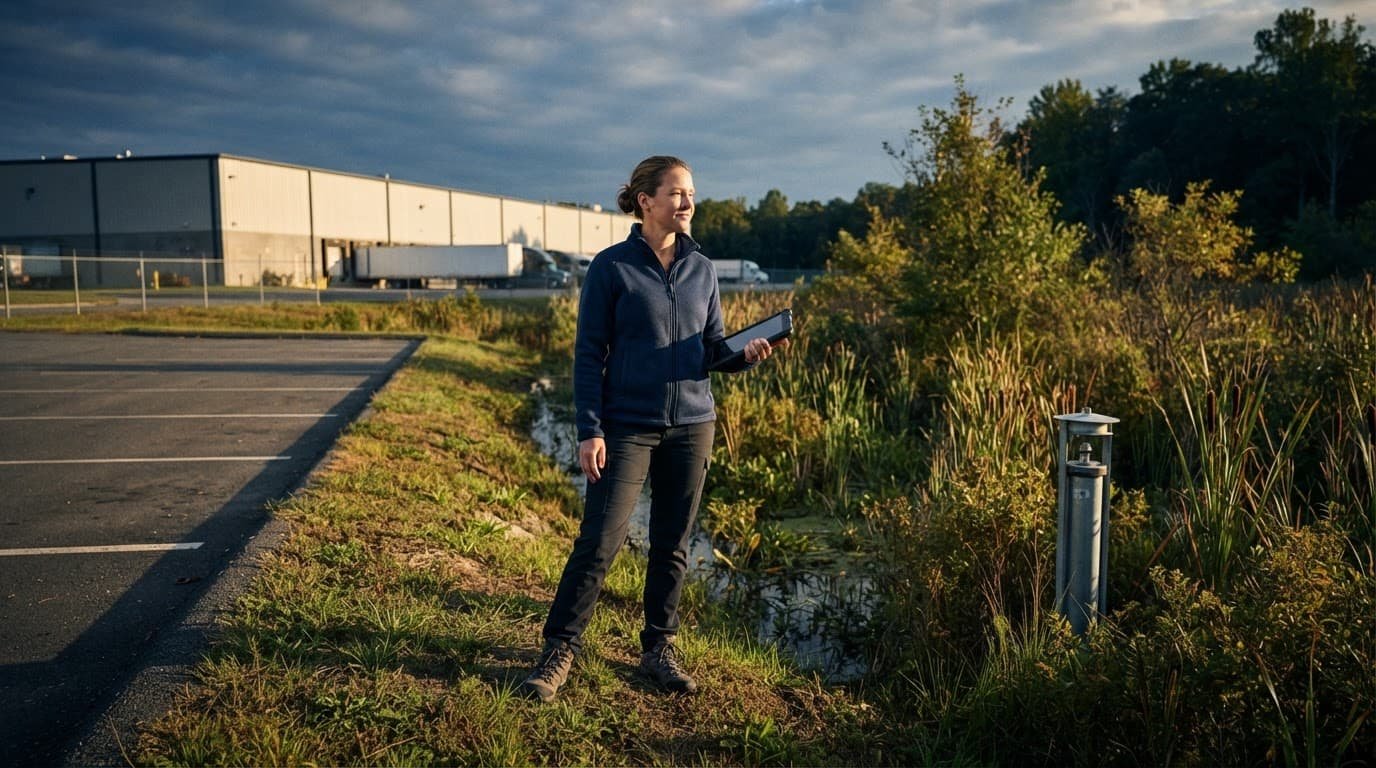
Wetland boundaries can shrink a usable building pad, alter access roads, limit parking, or require permits. Protected species and seasonal survey windows can also affect when clearing or grading may begin.
Ask the consultant whether a wetland delineation, wetlands determination, habitat assessment, floodplain analysis, or agency consultation belongs in the diligence plan. A lender needs a realistic construction schedule, not a concept plan that assumes every acre is buildable.
Match remedies to zoning and development plans
Contaminated sites sometimes remain usable under institutional controls or engineering controls. An institutional control is a legal restriction, such as a ban on residential use or groundwater wells. An engineering control is a physical measure, such as a soil cap, vapor barrier, or groundwater treatment system.
Compare those institutional controls and engineering controls with zoning, tenant needs, and building plans. A recorded limit on excavation could make a planned restaurant grease interceptor, medical expansion, or utility trench far more expensive.
Maintain CERCLA protections after the purchase
Environmental due diligence matters after closing too; it is not a permanent shield. The CERCLA bona fide prospective purchaser, or BFPP, defense may protect an eligible buyer from certain CERCLA liability. That protection can cover pre-existing hazardous substances, but it doesn’t eliminate cleanup duties or regulatory obligations. It depends on completing All Appropriate Inquiries before acquisition and meeting continuing obligations afterward.
A buyer may purchase a property with known contamination and still seek bona fide prospective purchaser status. The legal requirements are detailed, so environmental counsel should review the ownership structure, contract terms, related-party relationships, and cleanup history. Counsel should also distinguish BFPP status from the innocent landowner defense before title transfers.
Complete AAI before taking ownership
Don’t assume a seller’s old report transfers protection to you. The prospective purchaser must complete All Appropriate Inquiries before completing the property acquisition or taking ownership. That timing matters to the defense against CERCLA liability.
The EPA’s guidance for qualifying landowners explains that a BFPP defense involves more than knowledge of contamination. The purchaser also can’t have an affiliation with a potentially liable party that undermines the defense.
Turn continuing obligations into operating procedures
After closing, assign a named owner or operator to track site obligations and oversee environmental compliance. Keep a dated file with agency notices, communications, inspections, sampling results, permits, maintenance records, access arrangements, and land-use restrictions.
- Take reasonable steps to stop continuing releases and prevent threatened releases.
- Follow land-use restrictions and avoid interfering with institutional controls.
- Cooperate with authorized cleanup work and provide site access when required.
- Respond to information requests, preserve records, and provide legally required notices.
A state voluntary cleanup program may provide a structured path for environmental cleanup and remedial action with agency oversight. Still, program enrollment alone does not create a federal liability defense. Your team must keep meeting the federal obligations after closing.
Build environmental costs into the capital plan
Environmental due diligence findings should shape your capital plan before you sign final loan documents. Budget for consultant fees, Phase II sampling, legal review, permits, cleanup costs, remedial action design, monitoring, insurance, and construction changes.
Construction business bridge financing may help a contractor cover a defined pre-development gap while waiting on a project milestone. Likewise, healthcare practice working capital can protect payroll when a clinic acquisition needs extra testing before its expected closing date.
Fund a known gap, not an unknown cleanup
Fast business funding can help with a documented Phase II invoice, permit expense, or temporary equity timing issue. It should not become a substitute for defining environmental risks first. For each known exposure, assign an amount, timing, responsible party, and repayment source.
When a verified expense lands before an equity draw or reimbursement, flexible working capital can protect daily operations. Compare total repayment cost, documentation requirements, and timing. Avoid any provider that demands an upfront fee before reviewing the funding file.
For recurring project expenses, a standby business line of credit may offer more control than drawing a large lump sum. You only draw what the project needs, which helps preserve liquidity for payroll, materials, and vendor payments.
Strengthen the next financing request
Small business cash flow management works best when property costs and operating costs stay separate. Maintain clear bank statements, current financials, tax filings, debt schedules, and a project budget that identifies environmental contingencies.
Business credit building programs can also support stronger future financing options. Building business credit for higher limits takes consistent revenue reporting, on-time payments, controlled utilization, and clean business records. Using other people’s money to scale a business works when capital has a defined job and a realistic repayment source.
Four actions to take before seeking financing
Use these environmental due diligence steps while the purchase agreement is still flexible:
- Order the Phase I early. Retain a qualified environmental professional during the inspection period. Confirm the report follows current ASTM standards, including ASTM E1527-21.
- Build response time into the contract. Preserve access for testing and time for a Phase II Environmental Site Assessment if the Phase I identifies recognized environmental conditions.
- Compare findings with the actual project plan. Review recorded restrictions, wetlands, utilities, excavation, tenant improvements, and zoning side by side.
- Send lenders a complete risk package. Explain documented environmental risks and include the Phase I, any Phase II results, agency correspondence, recorded controls, budgets, and a clear management plan.
Frequently Asked Questions
What is environmental due diligence?
Environmental due diligence is the process of investigating a property’s environmental conditions before acquisition or financing. It helps identify contamination, natural resource constraints, compliance issues, and potential costs that could affect the deal.
Is a Phase I Environmental Site Assessment always required?
A Phase I is the usual starting point for commercial property acquisition and refinance, particularly when lender requirements or CERCLA protections are involved. Confirm that the report is current and addresses the property’s planned use and development scope.
When is a Phase II Environmental Site Assessment necessary?
A Phase II may be warranted when the Phase I identifies recognized environmental conditions or other evidence of possible contamination. It uses targeted sampling to determine whether impacts are present and whether they extend into soil, groundwater, soil gas, indoor air, or nearby property.
Can environmental findings affect loan approval?
Yes. Environmental risks can reduce collateral value, change loan proceeds, increase equity requirements, affect insurance terms, or delay construction. A documented response plan can help lenders evaluate and price the risk.
Does buying contaminated property create CERCLA protection automatically?
No. A buyer may qualify for the bona fide prospective purchaser defense only by meeting detailed requirements, including completing All Appropriate Inquiries before acquisition and satisfying continuing obligations afterward. Environmental counsel should review the ownership structure, affiliations, contract terms, and cleanup history.
A financeable property starts with facts
Environmental due diligence is most effective when it starts before financing becomes urgent. A current Phase I Environmental Site Assessment, targeted Phase II work, natural resources review, and a plan for continuing obligations keep a site issue from becoming a closing surprise.
In a real estate transaction, the goal is not a perfect property. It is a well-documented property with risks you can price, manage, and explain with confidence.