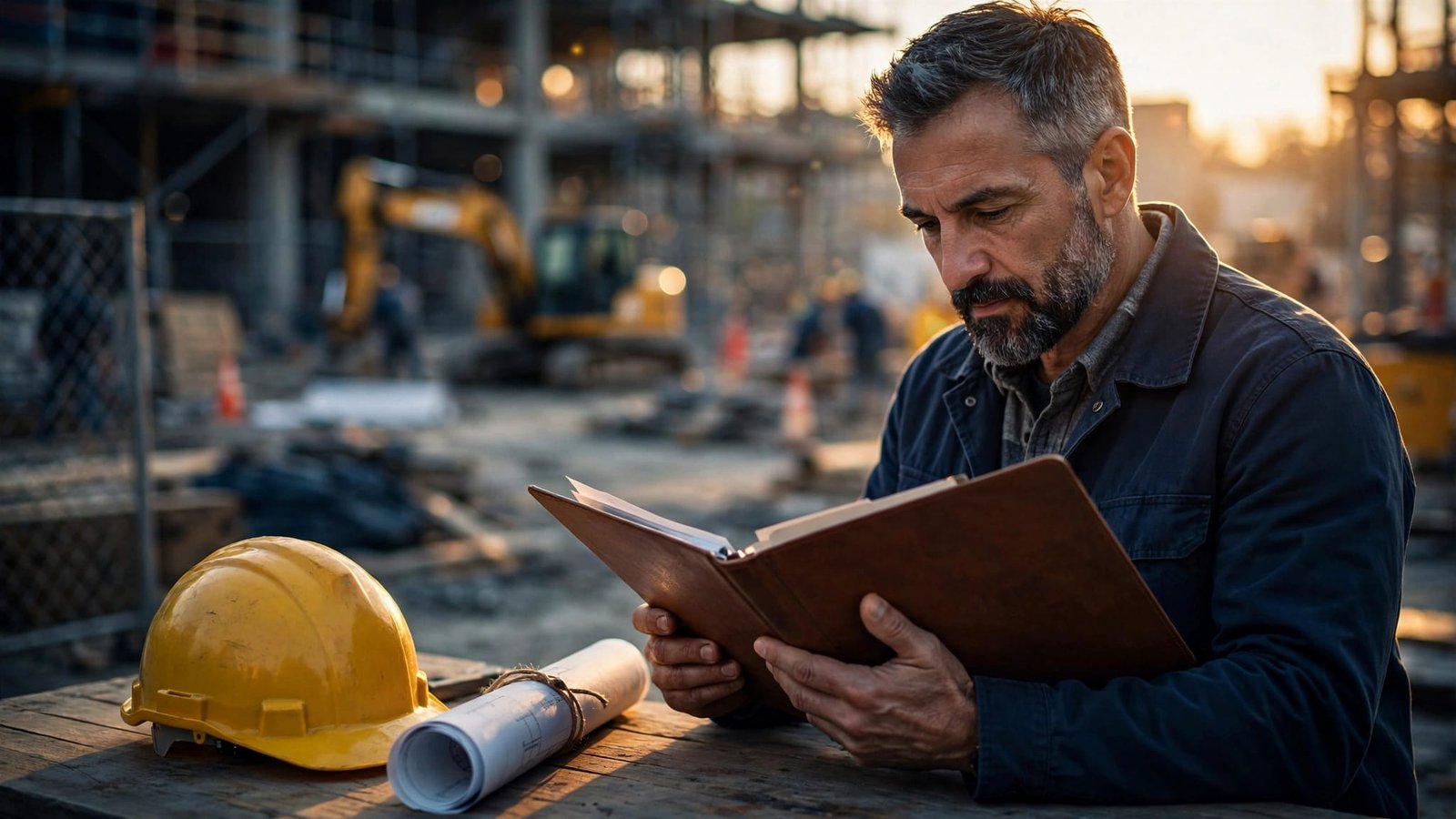
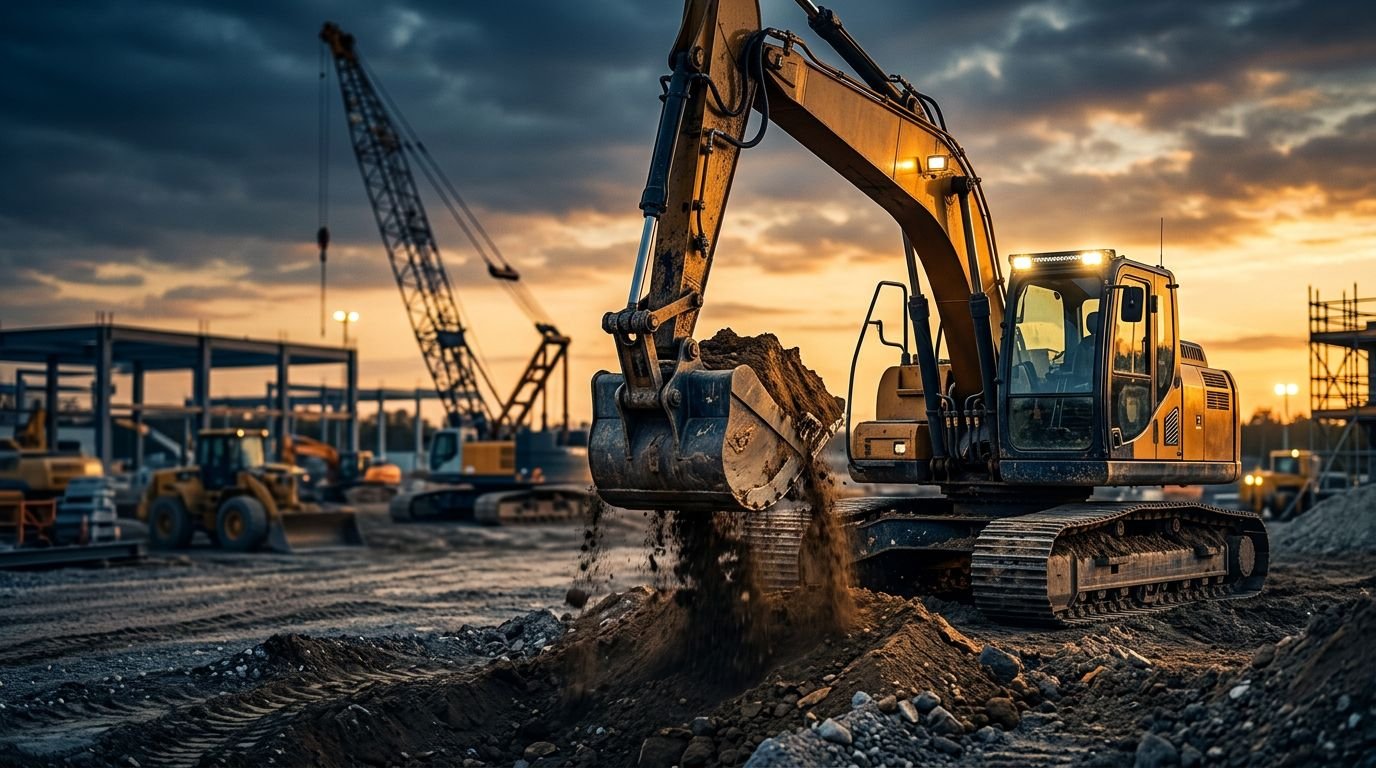
When a $250,000 excavator fails during an active project, waiting weeks for capital can put payroll, deadlines, and client trust at risk. Construction equipment financing helps you replace or acquire large equipment while keeping cash available for work already under contract.
For construction businesses, the right equipment financing structure ties the payment to the machine’s productive life and your project’s billing cycle. That balance matters more than chasing the lowest advertised monthly payment.
This post may contain affiliate links. If you make a purchase through these links, I may earn a small commission at no extra cost to you.
Key Takeaways
- Construction equipment financing helps businesses acquire or replace excavators, cranes, loaders, and trucks while preserving cash for payroll, materials, and active projects.
- Compare loan and lease structures based on ownership, useful life, monthly payment, end-of-term options, tax treatment, and the company’s need to refresh equipment.
- Evaluate the total cost—not just the advertised payment—by including interest, down payment, fees, insurance, transport, maintenance, operators, storage, and downtime risk.
- Prepare financial statements, bank records, equipment details, existing debt information, and project backlog before applying to improve the underwriting process.
- Keep long-life equipment purchases separate from short-term operating needs; working capital, a business line of credit, or bridge funding may better cover payroll, materials, and delayed receivables.
Construction Equipment Financing Starts With Job Economics
A loan secured by the machine uses the excavator, crane, loader, or truck as collateral. Because the lender has a security interest in the asset, this form of equipment financing can be more accessible than an unsecured business loan.
Before requesting quotes, take four practical steps:
- Confirm the machine’s workload. Match the purchase to signed work, recurring utilization, or a clear backlog so equipment financing supports a productive asset. A machine that sits idle still creates a monthly obligation.
- Calculate the true monthly cost. Include insurance, transport, attachments, fuel, maintenance, storage, operator costs, and monthly payments. The machine must produce more gross profit than it consumes.
- Compare repayment terms to useful life. A five-year payment on a machine you expect to keep for eight years may fit. A long term on an aging unit with frequent repair needs deserves more caution.
- Separate the purchase from operating gaps. Heavy equipment financing should fund a long-life asset. Payroll, materials, and slow milestone payments usually call for a different source of capital.
Fast operating funding can help bridge a gap between payroll and project completion. However, 24-hour approvals and same-day funding usually fit short-term operating needs better than a titled asset purchase, which often requires vendor documents and asset review.
A payment that fits your cash flow in a slow month is more useful than a payment that only works when every invoice arrives on time.
Equipment Loan or Lease: Which Fits Heavy Machinery?
With an ownership structure, your company purchases the asset and owns it after payoff. You build equity, control resale, and may qualify for depreciation benefits. This equipment financing approach often makes sense for an excavator or crane you expect to operate for years.
Equipment leasing gives your business the right to use the machine for a stated period. Lease costs can be lower, and certain structures offer end-of-term buyout options. The same loan-versus-lease choice applies to commercial vehicles used by contractors. Equipment leasing can fit contractors who regularly refresh specialized equipment or need to preserve more cash at the start.
| Consideration | Loan structure | Equipment lease |
|---|---|---|
| Ownership | Your business owns the asset after payoff. | The lessor usually retains ownership unless you exercise a purchase option. |
| Monthly payments | Often higher because you repay the purchase balance. | Often lower, depending on the term and residual value. |
| End of term | You keep, sell, or trade the equipment. | You may return, renew, or buy the asset under the agreement. |
| Tax treatment | Depreciation and section 179 may apply to qualifying purchases. | Treatment depends on the lease structure and contract terms. |
| Best fit | Equipment with a long, predictable service life. | Assets you plan to rotate or use for a limited period. |
Interest rates and repayment terms vary by credit score, equipment age, and lender. Current program quotes often fall between roughly 6% and 22% APR, with terms commonly running two to seven years. A larger down payment can reduce the loan amount financed. Stronger applicants may secure 0% down, while used machinery or weaker credit may require a 10% to 25% down payment.
Businesses with a 680-plus credit profile, steady revenue above $15,000 per month, and several years in operation tend to have access to more favorable pricing. For larger projects, heavy equipment financing may involve more detailed underwriting, and online lenders may offer additional options. SBA loans, including SBA 7(a) loans, can support machinery purchases and installation, subject to lender underwriting.
Compare Total Cost Before Financing Heavy Machinery
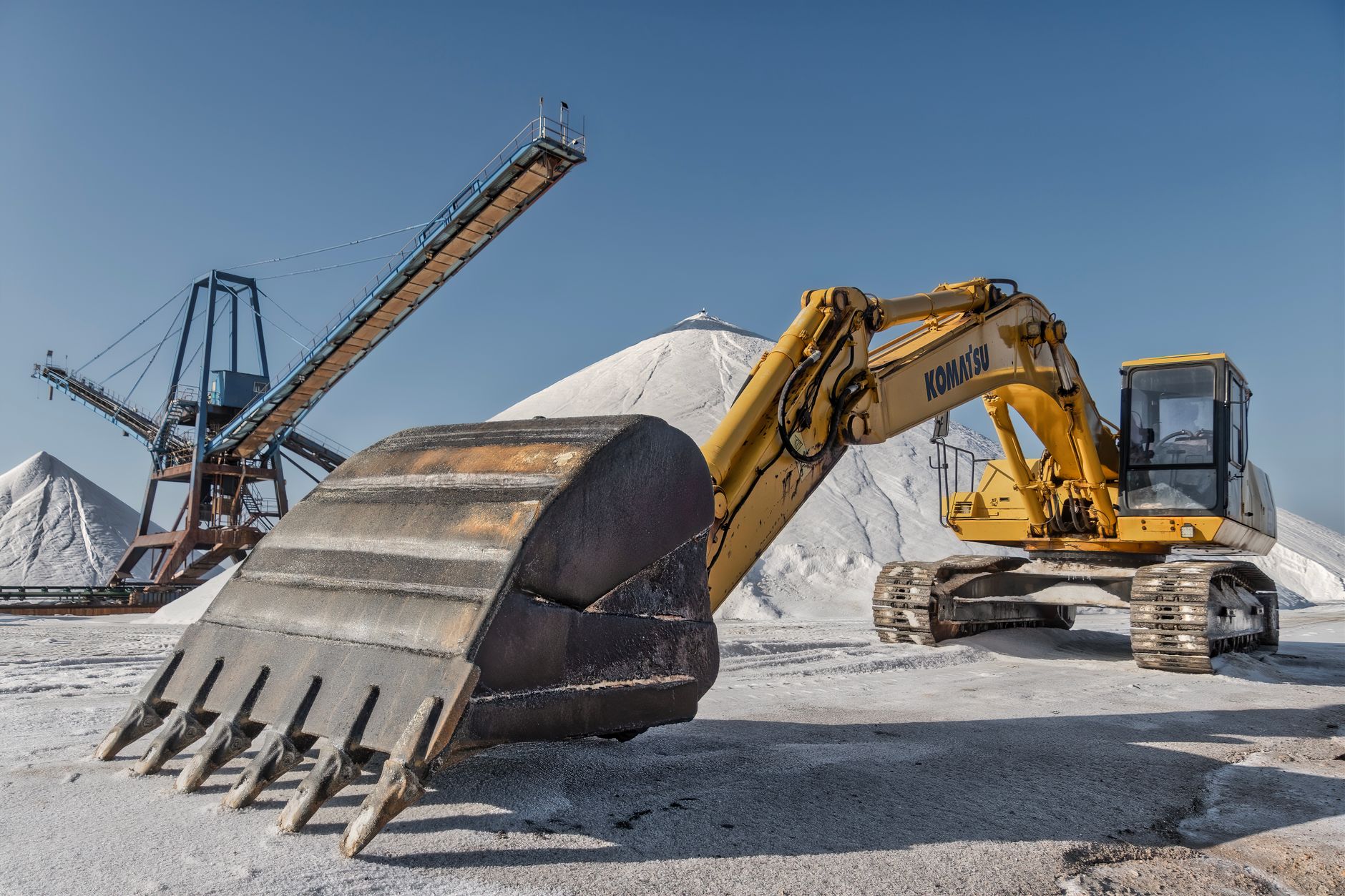
Photo by Jesús Esteban San José
The sticker price is only part of the decision. A lower payment can hide more interest, a residual buyout, or higher maintenance exposure. Equipment financing works best when you compare the purchase price with the all-in cost across the years you expect to run the machine. For large assets, heavy equipment financing makes that broader review especially important.
| Equipment class | Typical purchase range | Common financing term | Cost issue to examine |
|---|---|---|---|
| Mini excavator or skid steer | $35,000 to $150,000 | 3 to 5 years | Attachment needs, utilization, and resale demand |
| Full-size excavator or wheel loader | $150,000 to $500,000 | 4 to 6 years | Service intervals, transport, and utilization between projects |
| Crane or specialty lift | $350,000 to $1 million or more | 5 to 7 years | Insurance, certified operators, maintenance, and downtime risk |
A newer full-size excavator may justify a longer term if it supports a steady pipeline of excavation, utility, or site-prep work. A used machine may cost less upfront, yet higher interest rates, a larger down payment, and more repair exposure can raise its total financing cost.
Cranes need an even tighter review because downtime can erase the benefit of a manageable payment. Account for idle weeks, specialized insurance, certified operators, and major maintenance events. Ask the dealer for service records, warranty details, hour-meter records, attachment pricing, and expected resale value before signing.
Tax timing also belongs in the comparison. Section 179 may let an eligible business deduct qualifying equipment instead of treating the full cost as an ordinary expense. To claim section 179, the business generally must use qualifying equipment for business purposes and place it in service during the tax year. The IRS explains that the 2026 Section 179 rules set a maximum deduction of $2.56 million, with a phaseout beginning after $4.09 million in qualifying purchases. Confirm how Section 179 interacts with your company’s tax position with a qualified tax professional before including any projected deduction in your purchase analysis.
What Lenders Review and How to Prepare
When underwriting heavy equipment financing, lenders look for evidence that the machine supports a healthy business. Financial statements, deposits, credit score, time in business, equipment age, and existing debt all shape the review. Annual revenue, business history, and project backlog help lenders assess the company’s scale and expected machine use.
Prepare these records before requesting business equipment loans:
- Recent business bank statements that show deposits, payroll activity, and cash reserves.
- Financial statements, including profit and loss statements and balance sheets, plus business tax returns when required. If section 179 may apply, confirm eligibility with a tax professional rather than assuming savings.
- An equipment quote with the make, model, year, serial number, purchase price, and any attachments.
- A list of current equipment loans, leases, and monthly obligations.
- Signed contracts, purchase orders, or a backlog report that supports the expected machine use.
Funding for businesses with $10k monthly revenue is possible when deposits are consistent and the asset has clear value. Established companies with stronger margins usually qualify for better terms and more small business capital.
Traditional banks, alternative lenders, and online lenders may structure requests differently, so compare offers rather than assuming one channel is always cheaper.
Transparency should guide your choice: compare monthly payments, verify the loan amount, and review how equipment financing is priced and structured. Ask for the APR or factor cost, interest rates, repayment terms, down payment, documentation fees, lien filing costs, collateral requirements, prepayment rules, and end-of-term pricing in writing. No-upfront-fee offers can be attractive, but review every charge and confirm that no unnecessary fees appear before funding.
Keep Equipment Payments Separate From Working Capital Needs
A contractor can have a profitable backlog and still face a cash flow gap before the next milestone payment. In that situation, working capital can cover materials, payroll, or a repair, while heavy equipment financing stays tied to the machine purchase. Separating equipment financing from operating needs keeps the equipment loan tied to the asset.
Construction business bridge loans and emergency business funding can cover a documented short gap in operating capital. Meanwhile, unsecured business lines of credit may work better for recurring needs because you draw only what you need. Review business line of credit requirements before a seasonal slowdown or delayed receivable forces a rushed decision.
Use the Right Capital for the Right Expense
Working capital for SMBs should match a short cycle. Inventory financing for e-commerce supports merchandise that turns over quickly. Healthcare practice funding can cover payroll or supply costs during insurance reimbursement delays. Retail seasonal inventory funding fits a holiday purchasing window, while restaurant equipment funding can fit a long-life oven or freezer.
Funding for service-based businesses often supports labor before client invoices clear. Dual pricing payment processing for SMBs may also reduce card-processing costs, leaving more cash for operations. This separation makes small business cash flow management easier to measure and control.
Build Business Credit Before the Next Machine
Using OPM to scale construction businesses means using outside capital for assets that produce measurable revenue through equipment financing. It preserves working capital for project timing and unexpected costs. Payments should fit the job margin, not optimism about future sales.
Owners asking how to build business credit fast should focus on consistent actions that support a stronger credit score. Pay trade accounts on time, keep business records accurate, control revolving balances, and check reports for errors. Organized invoices and placed-in-service documentation can also help a tax adviser evaluate section 179 eligibility. Business credit-building programs can support a more organized approach as your company grows.
Heavy equipment financing deserves careful comparison when speed matters and conventional underwriting is too slow. Compare a business loan from traditional banks with offers from alternative lenders by total cost, speed, documentation, and payment flexibility. That discipline helps construction firms choose capital that supports the next project without straining current cash flow.
Frequently Asked Questions
What is construction equipment financing?
Construction equipment financing uses a business loan or lease to acquire machinery such as excavators, cranes, loaders, and commercial trucks. With a secured loan, the equipment typically serves as collateral, which may make approval more accessible than unsecured financing.
Should a construction business choose a loan or a lease?
A loan may be a better fit when the company plans to own and operate the equipment for many years. Leasing can preserve more cash and provide flexibility for contractors who regularly replace specialized machinery or need a buyout option at the end of the term.
How much does heavy equipment financing cost?
Rates and terms depend on credit, revenue, time in business, equipment age, and the lender; quoted APRs may range roughly from 6% to 22%, with terms commonly lasting two to seven years. A down payment may be zero for strong applicants, while used equipment or weaker credit can require 10% to 25% down.
What documents do lenders require for equipment financing?
Lenders commonly request business bank statements, financial statements, tax returns when required, an equipment quote, current debt details, and signed contracts or backlog reports. They also review credit history, revenue, time in business, equipment value, and expected utilization.
Can equipment financing cover payroll or materials?
Equipment financing should generally remain tied to the machine purchase and its productive life. Payroll, materials, repairs, and delayed project payments may be better funded with working capital, a business line of credit, or short-term bridge funding.
Final Thoughts
Heavy equipment financing should turn a machine into productive capacity without draining the cash needed to finish the jobs already won. Equipment financing decisions should account for ownership, repayment terms, maintenance exposure, and tax treatment. Verify section 179 eligibility rather than assuming a deduction applies.
A free financial consultation can help test the final decision against current projects and incoming receivables. It can also clarify maintenance risk and your company’s ability to carry the obligation during a slower month. Review available business funding services before committing to a vendor quote.