
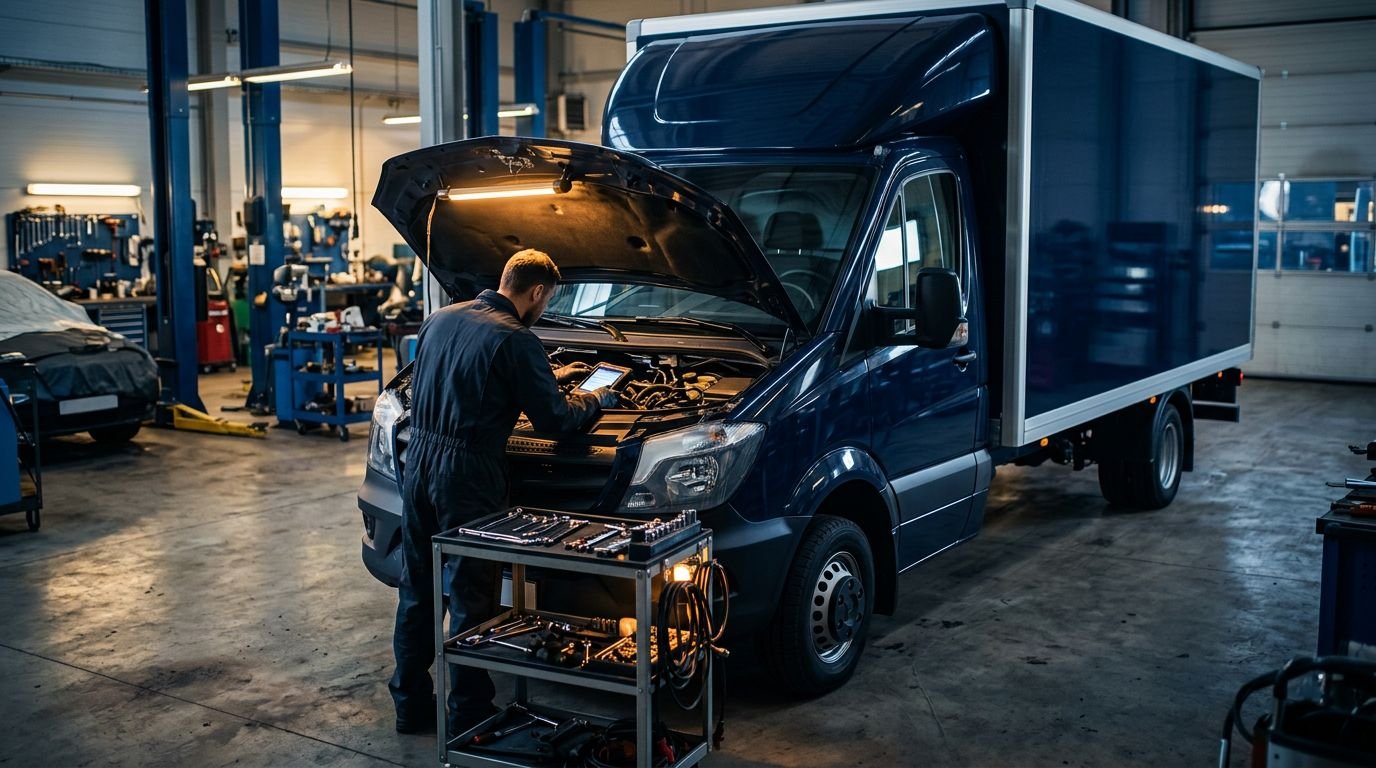
A failed transmission, damaged liftgate, or engine warning light can sideline the vehicle that produces your revenue. Commercial vehicle repair financing gives you a way to approve necessary work without draining the cash reserved for payroll, materials, and scheduled jobs.
Fast business funding matters when a truck is booked for deliveries or a contractor’s crew needs it at the next job site. Through truck repair financing, operators throughout the trucking industry can secure options that cover the repair while protecting the cash flow that keeps your business moving.
Key Takeaways
- Major repairs usually call for a lump sum, while frequent maintenance costs often fit a reusable credit option.
- Compare repayment terms, interest rates, payment frequency, fees, collateral requirements, and early-payoff terms before accepting an offer.
- Emergency truck repair financing can solve an immediate problem, but it must fit your weekly or monthly cash cycle.
- Strong bank deposits, bank statements, repair estimates, and fleet records help support a faster review.
- A credit plan built before the next breakdown gives you more control over cost and timing.
Commercial Vehicle Repair Financing Starts With the Repair Scope
A commercial vehicle is more than a business asset. It is a revenue-producing tool, so downtime has a cost that grows each day. First, ask the repair shop for a written estimate that separates the immediate safety repair from preventive items that can wait.
Smaller repair costs and routine expenses may fit a business credit card or operating reserve. A major repair may justify a term-based funding arrangement because its useful life extends well beyond the next billing cycle.
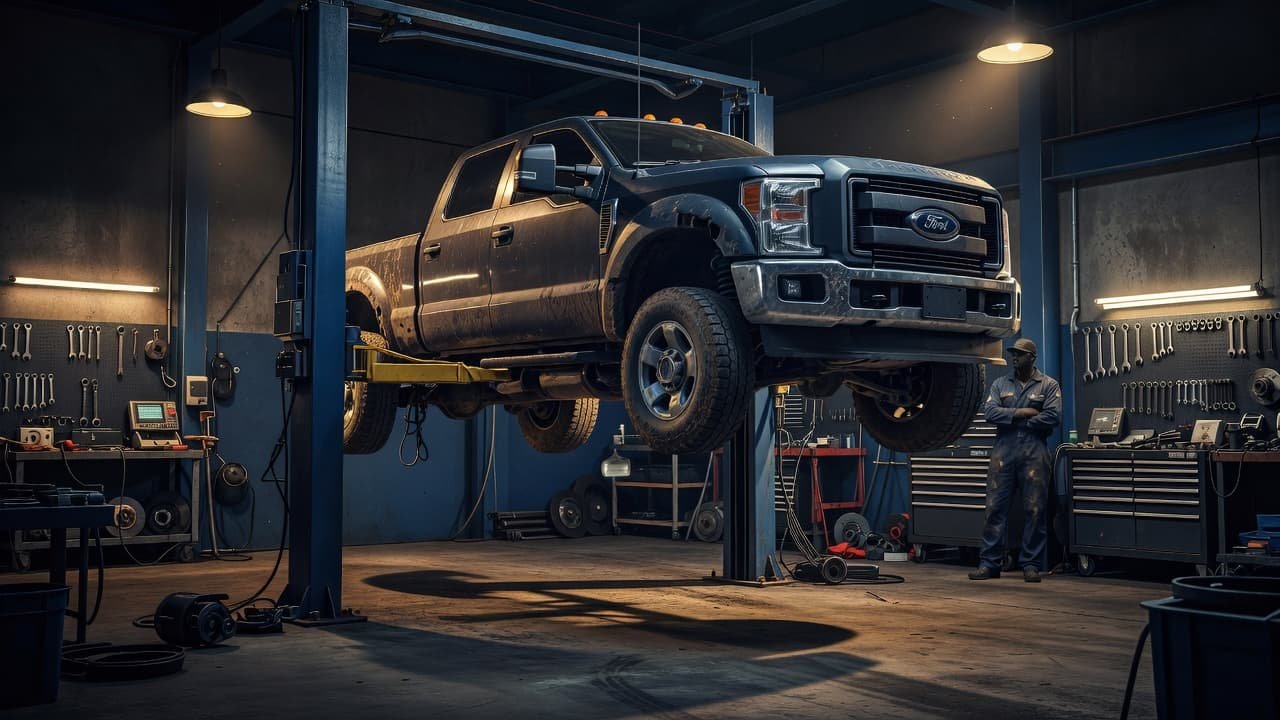
For semi truck repairs and specialized work vehicles, the title can become collateral in a secured arrangement. A semi-truck repair loan overview explains that title-based financing puts the vehicle at risk if payments fall behind. That tradeoff deserves close attention when the truck is essential to your operation.
Funding a repair is only helpful when the payment leaves enough room for fuel, payroll, insurance, and the next scheduled maintenance bill.
Document the repair’s business impact. Include the shop estimate, vehicle identification number, maintenance history, insurance details, current bank statements, and recent invoices or contracts. Clean documentation helps you show that the vehicle will return to productive service.
Match Commercial Vehicle Repair Financing to the Job
The best commercial vehicle repair financing structure depends on repair size, urgency, and how predictable your revenue is. A contractor waiting on a project draw has a different need than a courier company with daily card deposits.
| Funding approach | Best fit | What to review |
|---|---|---|
| Lump-sum business funding | One large engine, transmission, or body repair | Total repayment and payment frequency |
| Merchant cash advance | Short term cash needs or emergency shop bills | Factor rate, holdback percentage, and daily debit volume |
| Revolving credit | Parts, tires, maintenance, and repeated repairs | Draw fees, credit limit, and renewal terms |
| Equipment financing | A replacement vehicle or durable shop equipment | Down payment, collateral, and useful life |
| SBA-backed financing | Planned upgrades or larger capital needs | Approval timeline and documentation |
A lump sum can make sense when the repair invoice is large and the vehicle will stay in service for years. Some repair specific programs focus on major invoices of $15,000 or more, while SBA 7(a) financing can support broader needs such as equipment, working capital, and refinancing.
For repeat expenses, a business line of credit can be a stronger fit than taking a new lump sum each time a truck enters the shop. A line of credit lets you draw only what the repair requires, then repay and reuse the available capital. Independent drivers and owner operators often rely on these flexible tools to manage cash flow gaps between loads.
Ads for 24-hour business loans and instant business capital can be useful during a shutdown. However, fast approval should never replace a cost review. Confirm whether payments are daily, weekly, or monthly, then compare that schedule against your actual deposits.
Prepare for a 24 to 48 Hour Funding Review
Emergency business funding moves faster when your records are ready before the breakdown. Funding sources typically look for evidence of steady revenue, consistent deposits, and a business that can absorb the proposed payment.
Take these steps before you submit a request:
- Calculate the full downtime cost. Add missed jobs, rentals, driver wages, towing, and repair charges. This tells you whether a repair, rental, or replacement produces the strongest result.
- Review the last 90 days of cash flow. Small business cash flow management begins with knowing when deposits arrive and when payroll, fuel, and insurance leave the account.
- Collect current business documents. Have bank statements, an ID, the repair estimate, business formation documents, and recent revenue records available.
- Ask direct cost questions. Confirm the total payoff amount, payment cadence, interest rates, collateral, and prepayment rules, keeping in mind how your credit score and any potential bad credit factor into no upfront fee business loans.
Funding for businesses with $10k monthly revenue may depend heavily on deposit consistency and time in business. Established companies with strong monthly revenue and a 680-plus credit profile may qualify for premium funding options with more favorable structures.
A clear file also helps when you are weighing business line of credit requirements. Revenue trends matter more than one unusually strong month.
Use Repair Capital Without Creating a Second Cash Crunch
Same day business funding can return a vehicle to service quickly, yet the repayment must match the vehicle’s earning pattern. A weekly payment or predictable monthly payments may work for a delivery route with steady weekly receipts. It can strain a construction company waiting 30 or 60 days for a milestone payment.
For a contractor and busy owner operators, construction business bridge loans can cover an urgent truck repair until the next approved draw arrives. The repair should protect an active contract, not merely postpone a wider cash shortage. If the truck is idle because the project pipeline is thin, first reduce the repair scope or consider a lower-cost operational fix. When facing a major fleet overhaul, specialized commercial truck loans can help spread out heavy capital costs without draining your daily reserves.
Retail owners face a different timing issue. Retail seasonal inventory funding may support a holiday buying window, while a repair for the delivery van prevents missed shipments. E-commerce operators may use inventory financing for e-commerce to secure bulk stock, but should reserve enough capacity for the vehicles that move those orders.
Healthcare practice working capital can help a mobile clinic replace a damaged transport vehicle without interrupting patient services. Likewise, restaurant equipment financing can preserve cash for a refrigeration failure, while a service business may need vehicle repairs before dispatching technicians. Funding for service-based businesses works best when it is tied to booked work and reliable collections.
Review your merchant costs, too. Better payment processing can reduce avoidable card fees and improve daily visibility. Dual pricing payment processing for SMBs may also help owners manage card acceptance costs where permitted and properly disclosed.
Build Credit Before the Next Vehicle Breaks Down
How to build business credit fast is usually the wrong question. A better goal is to build it methodically, with on-time payments, stable business banking, accurate company records, and credit accounts that report activity while supporting your working capital needs.
Business credit building programs can help separate company financial strength from an owner’s personal finances over time. Review your business credit profile regularly, correct inaccurate business information, and avoid maxing out every available account.
Using OPM to scale a business means using outside capital for assets or opportunities that produce more cash than they cost. That can include a replacement service truck for the trucking industry, a second delivery vehicle, or a repair that protects a signed contract. It does not mean accepting expensive capital for routine expenses without a repayment plan.
Alternative funding for small businesses can offer speed when traditional options take too long. Still, U.S. small business funding should be judged by clarity as much as approval speed. Small business capital for established companies should strengthen operations, not hide a recurring margin problem.
Frequently Asked Questions
What is commercial vehicle repair financing?
Commercial vehicle repair financing provides funds specifically designated to cover the costs of maintaining, repairing, or overhauling work trucks and business vehicles. This allows companies to get essential transport back on the road without draining vital operating cash needed for daily payroll, fuel, and materials.
How fast can I get funding for an emergency truck repair?
Many alternative business funding sources and emergency repair options can review applications and provide decisions within 24 to 48 hours. Having clean documentation ready—such as bank statements, the repair estimate, and revenue records—helps speed up this review process.
Should I use a lump-sum loan or a line of credit for repairs?
A lump-sum loan is typically best for a single, major repair like a complete engine or transmission overhaul that keeps the vehicle running for years. For frequent maintenance or smaller, recurring repairs, a revolving line of credit offers more flexibility since you can draw only what you need and reuse the available capital.
Keep the Wheels and the Cash Flow Moving
A breakdown can force a quick decision, but it doesn’t have to force a careless one. Choose commercial vehicle repair financing based on the repair invoice, the vehicle’s revenue role, and the payment schedule your cash flow can support.
Working capital for SMBs is most useful when it protects a productive asset and preserves room for everyday obligations. A free financial consultation can help you compare your funding options before your next vehicle leaves the road, ensuring your cash flow remains stable and your working capital stays protected.
This post may contain affiliate links. If you make a purchase through these links, I may earn a small commission at no extra cost to you.


