USDA B&I Loans: A Rural Business Owner’s Field Guide
When a new facility, vital equipment, or major contract is within reach, waiting on capital can cost more than interest. USDA B&I loans give qualifying rural businesses a long-term financing path through lender-focused loan guarantees, rather than direct USDA funding.
A guaranteed loan reduces part of the lender’s risk, but it doesn’t guarantee approval, a specific rate, or a specific funding amount. USDA Rural Development administers the guarantee to support job creation and stronger community economies. Approved commercial lenders originate, underwrite, close, and service the financing. They evaluate repayment ability, collateral, management experience, borrower contribution, and project feasibility before submitting a request.
This post may contain affiliate links. If you make a purchase through these links, I may earn a small commission at no extra cost to you.
Key Takeaways
- USDA B&I loans provide lender-focused guarantees for eligible rural businesses; they do not guarantee approval, a specific rate, or a specific funding amount.
- The project site must meet USDA’s rural-area requirements, and eligible uses can include real estate, construction, equipment, acquisitions, expansion, permanent working capital, and qualified debt refinancing.
- Lenders evaluate cash flow, repayment ability, collateral, management experience, borrower contribution, project feasibility, and supporting documentation before submitting a guarantee request.
- For FY 2026, current USDA guidance lists a $25 million general maximum, an 85% guarantee for requests below $5 million, and an 80% guarantee for requests of $5 million or more.
- Match the repayment period to the asset or operating need, and use separate short-term financing for temporary cash-flow gaps rather than recurring operating losses.
Who qualifies for the USDA B&I program?
The USDA Business and Industry program supports rural development by backing businesses that create or retain jobs and strengthen local economies. USDA provides a guarantee to the lender, which can make a well-built project more financeable.
Your project must be in an eligible rural area
The business location must meet the current USDA rural-area definition. In general, the site can’t be in a city or town with more than 50,000 residents. It also can’t be adjacent to an urbanized area in a way that makes it ineligible.
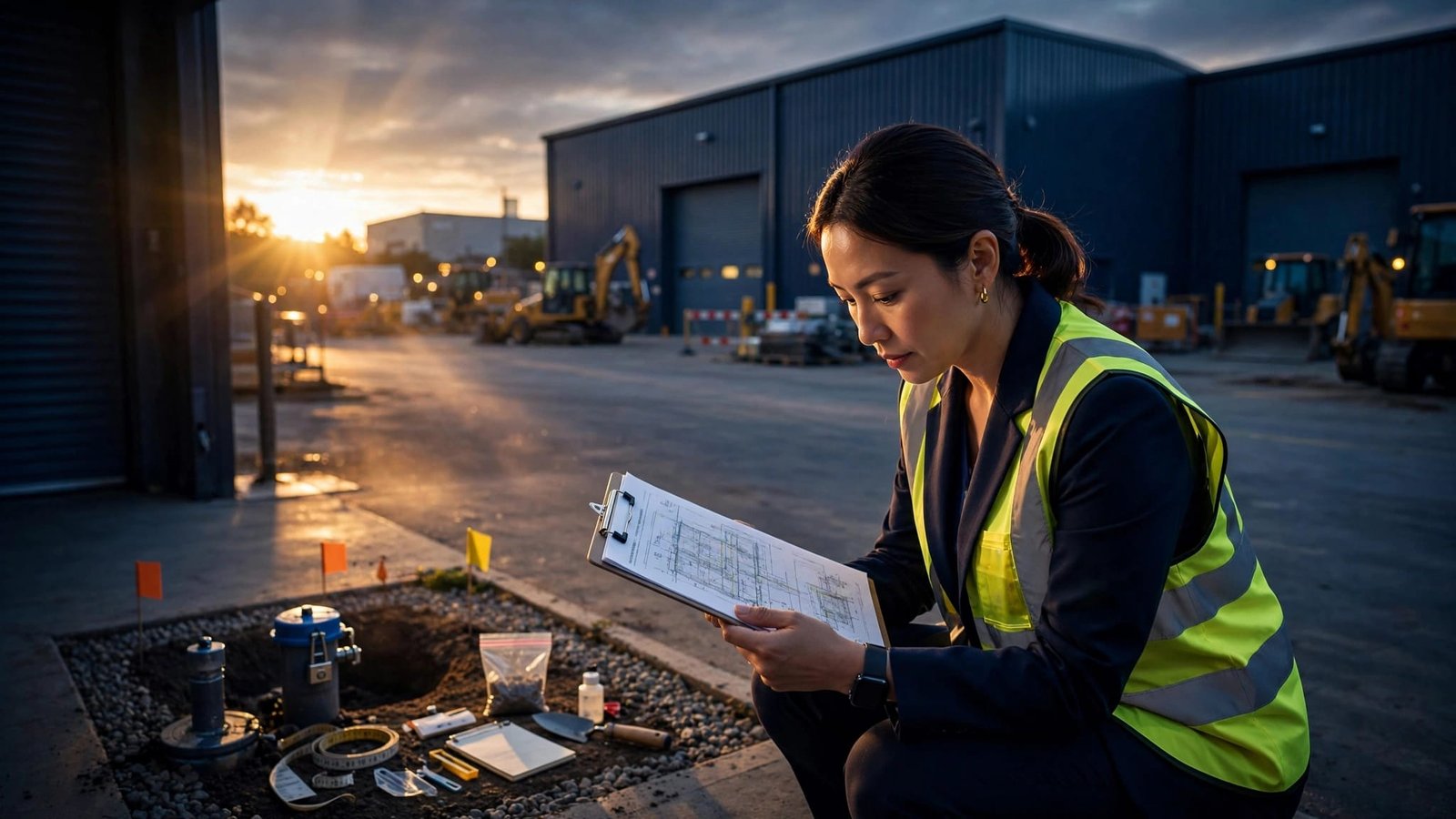
Confirm the precise project site falls within eligible areas before spending money on an appraisal, environmental work, or architectural plans. The USDA’s Business and Industry Guaranteed Loan program directs lenders and applicants to the USDA Rural Development state office. Use the agency’s official mapping and eligibility tools to check the site.
A company can have customers nationwide and still qualify. Eligibility depends on the precise project site, not the customer base.
Eligible businesses go beyond farms
Potentially eligible applicants include for-profit businesses, cooperatives, nonprofits, public bodies, and federally recognized Tribes. Partnerships, sole proprietors, and cooperative organizations may also qualify where permitted.
No listed entity qualifies automatically. Location, legal structure, creditworthiness, project purpose, and lender underwriting still apply.
Traditional agricultural production generally doesn’t fit the program on its own. Agricultural producers should evaluate traditional farm production through USDA Farm Service Agency farm-loan programs instead of assuming B&I eligibility.
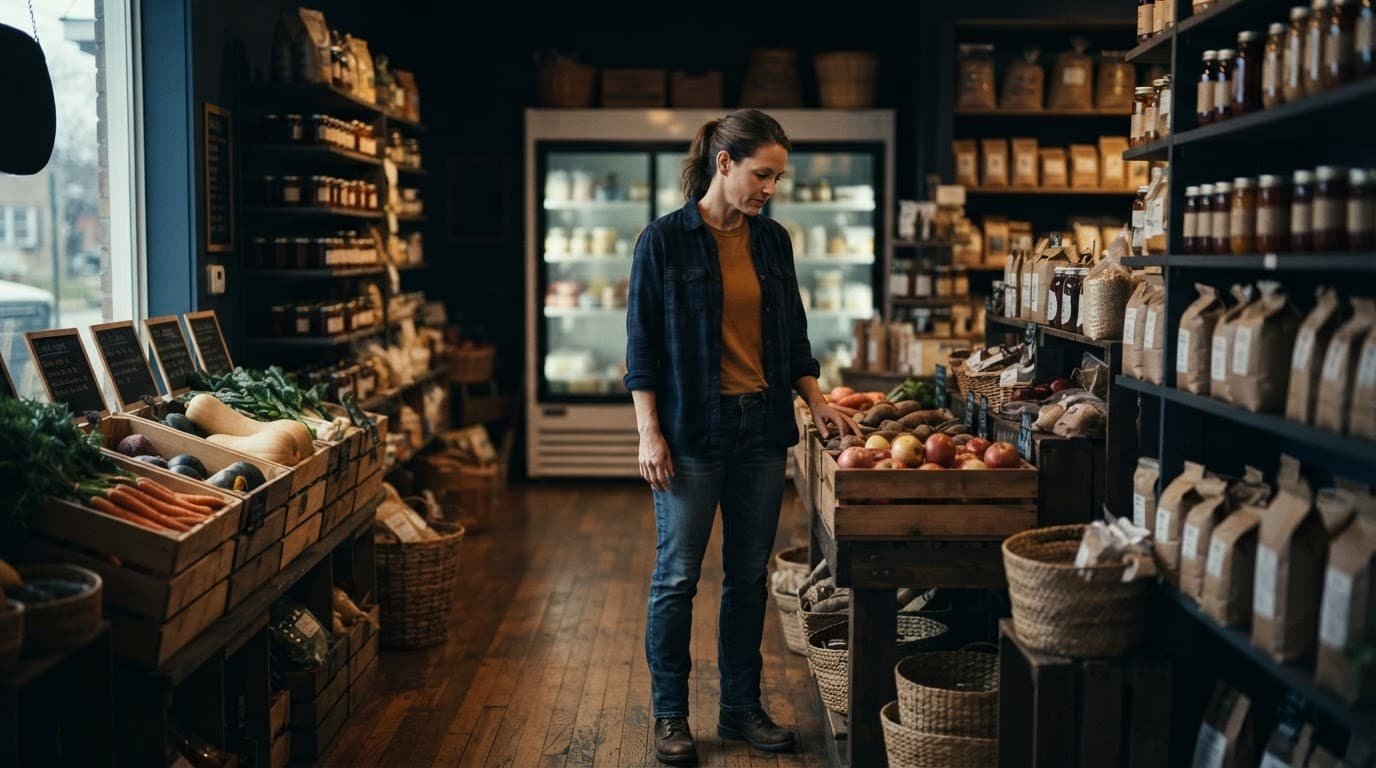
Value-added food businesses such as meat processors, cold-storage operators, food hubs, and regional distributors may qualify as a local and regional food enterprise when they support rural jobs and economic activity. Processors, aggregators, storage operators, food hubs, and distributors can make up a local and regional food enterprise, unlike ordinary agricultural production.
Put B&I proceeds toward assets that produce revenue
USDA B&I financing can support eligible business purposes, including acquisition, construction, renovation, modernization, and commercial real estate projects. It can cover machinery and equipment, acquisition of an existing business, business expansion, permanent working capital, and qualified debt refinancing. The project should show a clear connection to revenue, savings, or a defined operating need.
Common uses of USDA-backed financing
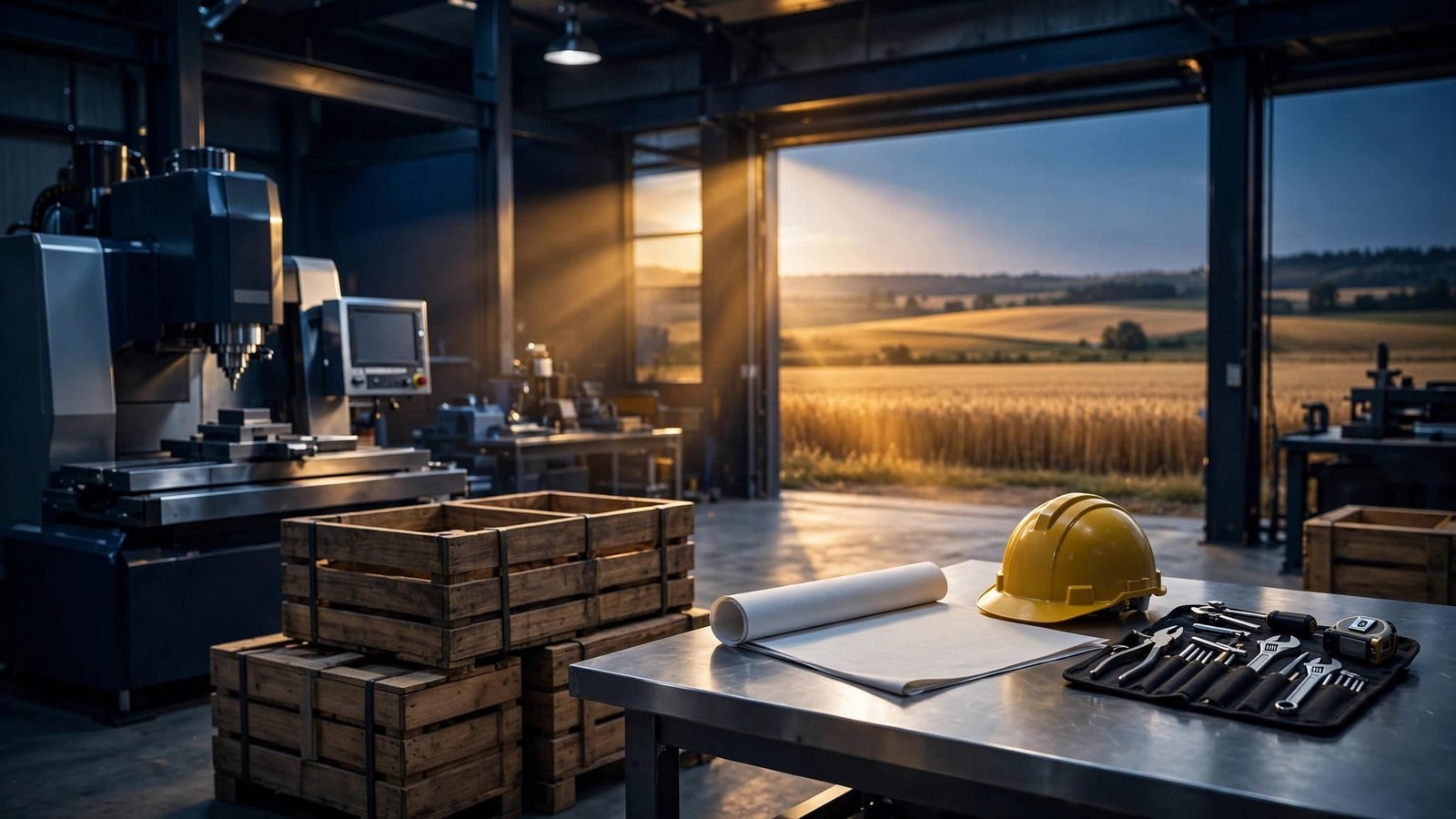
A rural contractor might finance a new yard and shop, while a restaurant may finance equipment and renovation. A medical group could consider a larger clinic and diagnostic equipment for its expansion. A rural food hub might seek financing for a local and regional food enterprise, including aggregation, storage, processing, or distribution.
For local food businesses, USDA reserves at least 5% of B&I funds for local and regional food enterprise projects. Confirm the current annual notice for the applicable percentage and project requirements. Eligible activities can include aggregation, storage, processing, distribution, and marketing of locally produced food. USDA’s rural business programs may also support healthy food access through a local and regional food enterprise.
A B&I guaranteed loan supports a defined, lender-underwritten project with a documented repayment source, not an open-ended spending account.
Lines of credit, speculative investments, and expenses without a clear business purpose generally aren’t eligible. Final eligibility depends on current USDA regulations, lender policy, the project budget, environmental review, and repayment analysis. Refinancing must provide a sound business benefit, not simply transfer unsupported debt.
What commercial lenders examine before applying
USDA reduces part of the lender’s risk. It doesn’t remove the need for a credible, financeable business. Before USDA reviews a guarantee request, the lender applies its own credit policies, underwriting standards, and application requirements. Owners who prepare their file first save time and avoid preventable stalls.
Cash flow must support the proposed payment
Lenders review historical cash flow, revenue, margins, existing debt, and realistic forecasts to assess repayment ability. A complete forecast connects projected debt service to seasonality, backlog, receivables, and cash timing. It explains where new sales will come from and how expenses change as the business grows or sales slow.
For a contractor, the focus may be signed backlog, project milestones, retainage, and payroll timing. For retail seasonal inventory funding, a lender needs prior sales cycles, vendor terms, and gross margin. It also needs the plan for clearing inventory after the rush.
Companies seeking funding for businesses with $10k monthly revenue should keep operating accounts clean and reconcile them monthly. Solid small business cash flow management makes both long-term and short-term capital conversations easier.
Collateral, management, and project details still count
Commercial real estate, equipment, inventory, accounts receivable, and other business assets can support the request. Loan-to-value, advance rates, collateral margins, personal guarantees, lien priority, appraisals, and borrower equity requirements vary by lender and transaction. Existing balance sheet equity and the owner’s contribution can strengthen the request, but no fixed contribution applies to every deal.
Environmental assessments may be required for real estate and construction projects. The lender or USDA determines their scope.
Bring organized records, not a stack of disconnected statements. A credible loan application package usually includes:
- Three years of business tax returns and interim financial statements, if available.
- Current profit-and-loss statements, balance sheets, debt schedules, and accounts-receivable and accounts-payable aging reports.
- Recent bank statements, ownership records, and management résumés.
- A detailed project budget with contractor bids, equipment quotes, purchase agreements, and relevant contracts.
- Revenue projections tied to customer demand, capacity, and staffing plans, plus evidence supporting that demand.
An independent feasibility study may also be needed for larger or more complex projects. The lender decides what evidence is necessary to support the credit decision.
Start by confirming the project site and intended use. Consult your state USDA Rural Development office, then approach an approved lender. Complete the lender’s package and respond to diligence requests. After its review, the lender submits the guarantee request to USDA.
Review and closing timelines vary with project complexity, environmental work, appraisals, lender capacity, and USDA workload. Plan for a variable timeline rather than assuming rapid approval.
Loan amounts, guarantees, terms, and fees
For fiscal year 2026, current USDA Rural Development guidance lists the general maximum loan amount for USDA B&I loans at $25 million. This FY 2026 guidance is subject to official USDA Rural Development notices, and reaching the ceiling isn’t an entitlement or approval promise. Requests below $5 million receive an 85% guarantee, while requests of $5 million or more receive an 80% guarantee. For a guaranteed loan, the percentage applies to the guaranteed portion, and the lender retains risk.
Loan terms cover maturity, pricing, fees, collateral, and repayment structure. Interest rates are negotiated with the lender. They depend on credit quality, collateral, project risk, market conditions, fixed or variable structure, and other borrower circumstances.
Match the repayment period to the asset
Terms depend on what the financing pays for. Repayment for commercial real estate can generally extend up to the applicable program limit, often 30 years. Equipment may run up to 15 years or the asset’s useful life, whichever is shorter. Project-related operating needs are generally limited to seven years.
| Use of proceeds | Typical maximum term | Practical fit |
|---|---|---|
| Commercial real estate | Up to 30 years | Buildings, land, major renovations |
| Equipment and machinery | Up to 15 years | Revenue-producing physical assets |
| Working capital | Up to 7 years | Growth tied to a defined operating plan |
Longer repayment periods can protect monthly cash flow. Useful life, lender policy, repayment structure, and current USDA rules determine whether the asset can support the term. USDA’s B&I loan overview for Nebraska notes that loan maturity cannot exceed 40 years overall.
For FY 2026 approvals, current OneRD guidance lists a 3% initial guarantee fee on the guaranteed portion and a 0.55% annual renewal fee on the outstanding guaranteed balance. USDA materials may refer to that charge as an annual retention fee. Qualifying reduced-fee categories may receive a 1% initial fee and a 0.50% annual fee. Review the current OneRD guarantee fee guidance before pricing a transaction, since official notices can change the schedule. These fees may affect the borrower’s total cost.
USDA B&I vs. SBA financing
Both programs use federal guarantees to reduce lender risk, but they follow different statutes, eligibility rules, lenders, fees, and submission processes. The SBA 7(a) loan program is nationwide. B&I supports eligible rural projects through a lender as a guaranteed loan, not direct government funding.
Choose the program that fits the location and project size
B&I depends primarily on an eligible rural project location and can support larger eligible projects. That may suit a new rural manufacturing site, hotel, distribution facility, or business expansion involving real estate and equipment. SBA financing may fit a smaller working-capital or equipment need, subject to SBA size and eligibility standards.
Published program ceilings can change. Check current guidance for the FY 2026 B&I ceiling and the SBA 7(a) maximum, since neither limit guarantees approval or availability.
Neither program promises universal interest rates. Pricing, fees, collateral, maturity, and borrower contribution depend on the lender, borrower, project, and current program rules. Both programs require documentation and lender coordination, so timing depends on the file, lender availability, and project complexity.
Review the SBA 7(a) loan program terms alongside a B&I proposal before choosing a direction. USDA Farm Service Agency farm loans are separate, so agricultural production borrowers shouldn’t assume B&I financing replaces farm operating or ownership financing.
Cover immediate gaps without forcing a long-term loan
Long-term financing and urgent capital have different jobs. A rural company can use USDA B&I financing for a building, equipment, or expansion. A separate short-term tool may address a temporary cash-cycle mismatch. These commercial products aren’t automatically eligible B&I uses, and they may not carry USDA or SBA support.
Contractors and service firms need timing flexibility
A construction business bridge loan can cover payroll or materials while awaiting a completed milestone to bill. Fast business funding may help bridge the gap, but availability, speed, cost, collateral, and approval requirements vary. Document an exit source, such as collected receivables or contract proceeds.
For recurring needs, unsecured business lines of credit may provide standby access without funding the full amount at once. Approval and terms vary. Review the requirements for a business line of credit before the slow season begins. Depending on the agreement, you may pay only on the amount you draw. Ask about draw limits, repayment frequency, personal guarantees, and prepayment terms.
Same-day business funding and 24-hour business loans may help with a sudden repair or inventory opportunity. Availability and approval aren’t guaranteed, and fast access doesn’t establish affordability. Compare total cost, repayment frequency, collateral, personal guarantees, and prepayment rules. A transparent provider should explain the offer before you commit. No upfront fee business loans aren’t necessarily inexpensive.
Retail, e-commerce, and healthcare require different plans
Inventory financing for e-commerce can make sense when sales history shows predictable demand and margins cover financing costs. Retail seasonal inventory funding should match the sell-through window, rather than extend into the next buying cycle.
Healthcare practice working capital often covers payroll, supplies, or delayed insurance reimbursements. Funding for service-based businesses may cover labor, software, or marketing tied to booked work. In each case, instant business capital should provide temporary operating liquidity for a short cash cycle, not hide a recurring operating loss.
Also review expenses before borrowing more. Dual pricing payment processing for SMBs may help reduce card acceptance costs and improve daily liquidity, but compare fees and customer impact.
Build the file and the business credit profile now
A strong funding request starts before you contact a lender. Build a project package that helps the lender evaluate cash flow, collateral, and repayment. Lender requirements and USDA review still control the outcome.
Four moves to make before contacting a lender
- Separate the project budget from ordinary operating expenses, then identify costs suited to long-term financing. A local and regional food enterprise should separate project costs, inventory assumptions, contracts, and expected cash flow from ordinary operations.
- Reconcile bank accounts, accounts receivable, and accounts payable. Correct errors and update debt schedules before submitting financial statements.
- Track revenue by customer, contract, product line, or location so projections have supporting evidence. Show how the project could improve capacity, margins, jobs, or community service.
- Prepare management résumés, identify the borrower contribution, and explain how the local food project will be operated and repaid.
Correct credit report errors and establish a consistent on-time payment history before submitting the package. If the business credit file needs work, review how to build business credit and focus on accurate records, reasonable utilization, and timely payments. These steps create a clearer file for the lender, but they don’t guarantee approval, pricing, or a specific funding amount.
Frequently Asked Questions
What is a USDA B&I loan?
A USDA B&I loan is commercial financing made by an approved lender and supported by a USDA Rural Development guarantee. The guarantee reduces part of the lender’s risk, but the lender still underwrites, closes, and services the loan.
Who can qualify for USDA B&I financing?
Potential applicants include for-profit businesses, cooperatives, nonprofits, public bodies, federally recognized Tribes, partnerships, and sole proprietors where permitted. The project must be located in an eligible rural area, and the borrower must satisfy the lender’s credit, repayment, collateral, and project requirements.
What can USDA B&I loan proceeds be used for?
Eligible uses may include commercial real estate, construction, renovations, equipment, business acquisitions, expansion, permanent working capital, and qualified debt refinancing. The project must have a clear business purpose and a documented source of repayment.
How much can a USDA B&I loan cover?
For FY 2026, current USDA Rural Development guidance lists a general maximum loan amount of $25 million. Requests below $5 million receive an 85% guarantee, while requests of $5 million or more receive an 80% guarantee, subject to current rules and lender approval.
How do I apply for a USDA B&I loan?
First, confirm the project site and intended use with USDA Rural Development resources or the applicable state office. Then approach an approved commercial lender with financial statements, tax returns, debt schedules, a project budget, projections, management information, and supporting contracts or quotes.
A stronger rural business starts with the right capital job
USDA B&I loans can help rural businesses finance eligible real estate, equipment, acquisitions, and expansions. The guarantee supports the lender, not a promise of approval for a rural small business. Eligibility, collateral, borrower contribution, cash flow, documentation, rates, and fees depend on current USDA rules and lender underwriting.
Use long-term financing for eligible real estate, equipment, acquisitions, and expansions. Use short-term products for emergency cash gaps or short-term operating liquidity for small and midsize businesses. Verify details with an approved lender and official USDA Rural Development sources. Match the repayment period to the asset or cash cycle, never to a recurring operating loss funded by expensive short-term debt.