
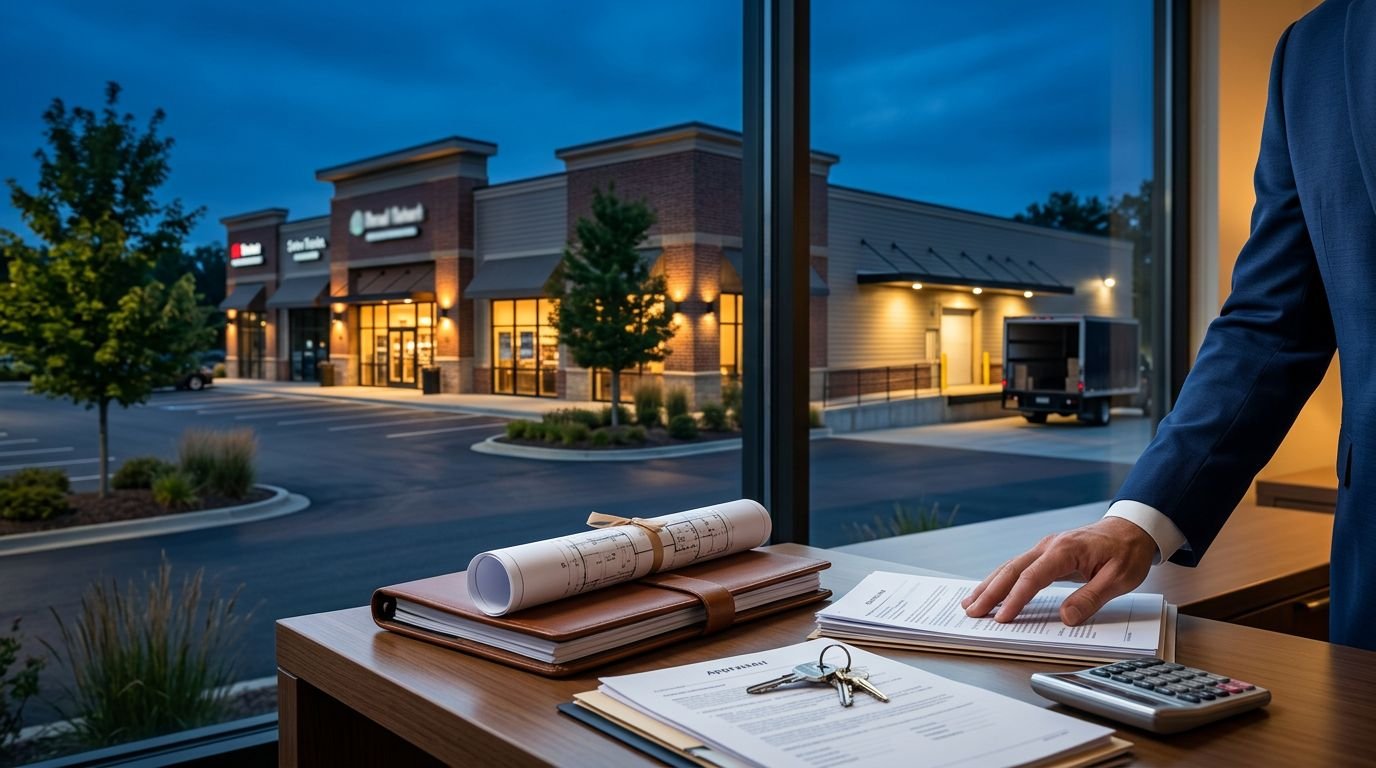
When a refinance or purchase depends on a commercial property appraisal, one missing lease amendment can delay the entire deal. Commercial appraisal preparation keeps the lender’s file moving and gives the appraiser a complete view of the asset.
Your goal isn’t to talk an appraiser into a number. It’s to document the facts the lender and appraiser need to establish a defensible market value, including the property’s income, condition, legal use, and local market position.
The commercial appraisal tips below cover records, property access, legal use, and cash-flow documentation. Start early, organize the facts, and protect your operating cash while the valuation takes shape.
This post may contain affiliate links. If you make a purchase through these links, I may earn a small commission at no extra cost to you.
Key Takeaways
- Start commercial appraisal preparation early by confirming the lender’s intended use, value date, report requirements, and appraiser qualifications.
- Build a complete, organized property file with leases, rent rolls, operating statements, zoning records, title documents, surveys, permits, and repair records.
- Resolve visible safety and deferred-maintenance issues, provide full property access, and avoid cosmetic projects that lack a clear financial benefit.
- Give the appraiser accurate facts and local market evidence without pressuring them toward a target value.
- Keep operating cash-flow needs separate from the valuation process, and match any short-term funding to a documented repayment source.
Start with loan terms before the appraisal
A commercial property appraisal is a point-in-time opinion of market value for a stated purpose in commercial real estate. The stated purpose controls the resulting property valuation. A lender may need an as-is value for the refinancing process, a prospective value after planned improvements, or an as-complete value for new construction. That conclusion may affect underwriting and the lender’s view of collateral value.
Before the appraisal process begins, confirm whether the lender, an appraisal management company, or another party will order the assignment. Ask who will select or engage the commercial appraiser, whether the lender requires a particular credential, and what appraisal report format or conclusion it needs. A report ordered for a seller or a prior lender may not meet the new lender’s requirements.
Confirm the intended use and value date
The value date can affect the answer. Market conditions may change after a major tenant signs a lease, making the result different from an earlier valuation.
Give the appraiser a clear timeline for completed improvements, signed agreements, pending permits, and material events. Record relevant market conditions and changes in zoning laws, along with lease updates and completed work. If a roof replacement finished last month, include the invoice and completion date. If a tenant plans to leave, provide the notice rather than hoping it remains undiscovered.
Give facts, not a target number
Appraisers must remain independent. The USPAP standards published by The Appraisal Foundation guide ethical and credible appraisal practice, including the scope of work and reporting expectations.
You can correct a factual error, provide complete records, and explain a comparable sale. Those steps support USPAP compliance. However, don’t pressure the appraiser to reach the loan amount. A well-supported response is more useful than a heated debate. Ask whether the appraiser’s credential requires qualifying education.
Build a lender-ready property document file
A secure digital folder keeps your property documentation organized and easy to review. Share a concise index identifying each source record, date, and reporting period.

Prepare the property without overspending
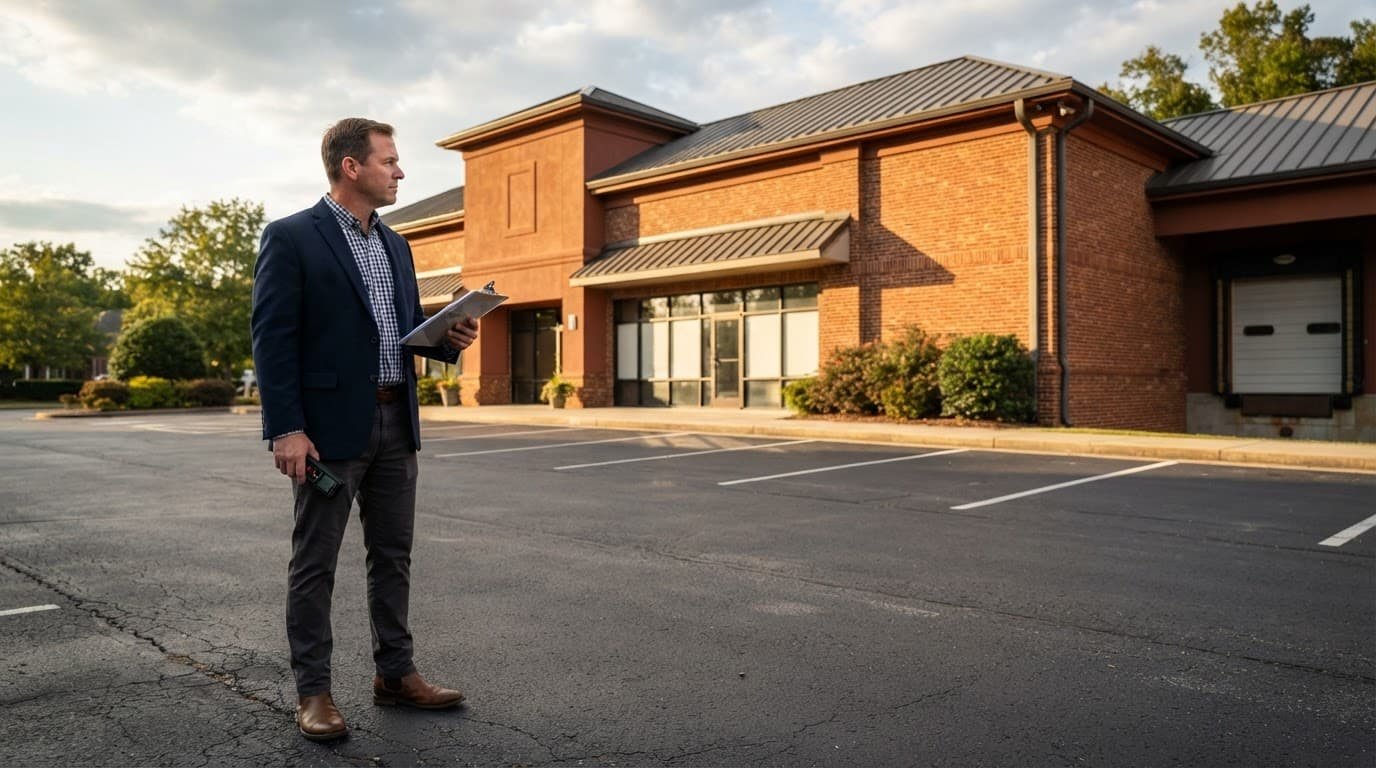
A clean, accessible site lets the commercial appraiser inspect and document the building’s physical condition. Make every unit, mechanical room, storage area, roof area, and parking section available unless safety rules prevent entry.
Fix visible deferred maintenance first
Address active leaks, broken windows, exposed wiring, damaged pavement, failed exterior lighting, and unsafe railings. Each can affect observed safety, usability, or building-system risk. These items can signal larger deferred maintenance problems, even when the repair itself is modest.
Also clear debris, remove obsolete equipment, and make sure vacant suites are accessible. A dark, blocked-off unit gives the appraiser less evidence of usable area and condition.
A repair is worth doing when it removes evidence of water intrusion, unsafe access, or a failed building system. Fresh paint alone rarely changes market value.
Skip cosmetic projects with no financial case
Don’t begin a full remodel simply because an appraisal is coming. New finishes may improve tenant appeal, but they don’t always produce a dollar-for-dollar increase in market value.
Instead, document practical upgrades and explain their effect on operating costs, tenant retention, or usable space. For example, a new HVAC system may reduce near-term capital needs. A decorative lobby upgrade may have less measurable impact.
Check zoning, title, and lease restrictions
Zoning laws affect what a buyer can legally do with a site. A property with a conforming use, reliable parking, and permitted improvements often presents a cleaner valuation case than one with unresolved legal questions.
Show the property’s permitted use
Provide the current zoning designation, any conditional-use approvals, variances, and certificates of occupancy. If the building is legally nonconforming, include documents that establish its status.
Pending zoning changes, parking restrictions, or municipal assessments can affect value. So can a recorded easement that limits access, signage, loading, or future expansion.
Review the property documentation before the inspection, especially the title commitment and survey. Check for boundary issues, easements, encroachments, shared driveways, and access rights that could become lender questions later.
Lease restrictions matter because they can affect marketability and income reliability. Provide complete lease agreements, including renewals, termination rights, expense caps, and below-market provisions, rather than a rent roll that conceals those restrictions from the appraiser.
Understand the approaches behind a commercial property appraisal
A commercial appraiser may use more than one method, then reconcile the evidence into a final property valuation. Assignment fit, experience, and qualifying education help determine how the evidence is weighed.
The valuation process depends on property type, data quality, income history, and local market conditions. For commercial real estate, offices, retail centers, industrial buildings, apartments, and specialized facilities may require different evidence.
Income, sales, and cost methods answer different questions
The Appraisal Institute’s professional standards resources provide helpful context on the national standards that guide real property assignments.
| Approach | Most useful for | What you should provide |
|---|---|---|
| Income approach | Leased offices, retail centers, industrial buildings, and apartments | Rent roll, leases, operating expenses, operating statements, vacancy history, and market rent support |
| Sales comparison approach | Properties with recent local comparable sales | Details on physical condition, land size, improvements, and differences from nearby comparable sales |
| Cost approach | New, special-purpose, or lightly traded properties | Construction costs, plans, permits, building age, and major replacement records |
For a leased retail strip or warehouse, the income approach often carries substantial weight because buyers focus on net operating income and a cap rate. For a specialized medical facility, the cost approach may matter more when replacement cost and functional utility shape the analysis.
Regional data and market conditions also matter. A comparable sale two counties away may require major adjustments if taxes, tenant demand, traffic counts, or zoning differ. Share local information, but let the appraiser decide whether it is comparable.
Handle SBA 7(a) loans and lender appraisal rules early
SBA-backed loans add another layer of review. Requirements can change based on loan structure, property value, use of proceeds, and lender credit policy.
Confirm the current SBA 7(a) requirement
Older SBA materials often referenced a $500,000 threshold for commercial real estate appraisals. Current policy ties appraisal triggers to applicable federal banking regulator thresholds. Lenders may still require an appraisal below that level when credit factors call for one.
For an SBA 7(a) transaction, confirm the current requirement with your lender before paying for a report. A useful SBA appraisal requirements summary also explains why lenders often require an independent appraisal prepared for their own use.
When SBA requires an appraisal, the appraisal report must demonstrate USPAP compliance and generally be current within 12 months of the guaranty application. Construction and substantial renovation projects may require an as-complete value, followed by a final inspection confirming the finished property matches the plans.
Ask about appraiser qualifications
A Certified General Real Property Appraiser can value all types of real property. As of January 2026, the credential requires 300 hours of qualifying education, a bachelor’s degree or higher, and 3,000 hours of qualifying experience over at least 18 months, including 1,500 nonresidential hours.
Confirm current credential requirements and lender policy because standards and underwriting overlays can change. Verify that the appraiser’s qualifying education and nonresidential experience fit your property type and local assignment.
For commercial property valued above $1 million in many SBA scenarios, the lender may require a state-certified appraiser. Still, credential level is only part of the decision. Ask whether the appraiser has recent experience with your property type and local submarket.
Keep business cash out of the valuation story
An appraisal can coincide with payroll, supplier deposits, equipment failure, or seasonal inventory needs. Keep those operating demands separate from the property file, so a temporary cash squeeze doesn’t force rushed decisions.
Cover timing gaps with a defined repayment source
Short-term operating funding can bridge payroll, supplier deposits, or an approved project milestone. Use it for a documented gap with a clear repayment source, not an open-ended repair budget.
Disclose any new obligation to the senior lender before drawing funds. A standby credit facility can support recurring timing gaps, while working capital can preserve reserves for payroll, materials, or deposits.
A delayed construction draw may require bridge funding. However, a long-life machine belongs in construction equipment financing rather than short-term operating capital.
Match funding to the operating cycle
Match liquidity to the expected cash-conversion cycle. Planned inventory purchases, delayed insurance reimbursements, and contracted service work each require different timing and repayment assumptions.
Cash flow oversight also includes reviewing overhead and payment processing costs, especially when card fees erode margins.
Build capacity before the next refinance
Future borrowing capacity depends on repayment that matches real margins and collection cycles. Consistent revenue and deposits help show whether new capital fits the business.
Build stronger credit through on-time payments, accurate records, and accounts that report commercial payment history. This discipline supports stronger lender files over time.
Use outside capital carefully when scaling. Match it to an asset, contract, or predictable revenue event so repayment remains clear.
Frequently Asked Questions
When should I begin preparing for a commercial property appraisal?
Begin as soon as you know a purchase or refinance will require an appraisal. Early preparation gives you time to collect records, resolve maintenance issues, confirm lender requirements, and address zoning or lease questions.
What documents should I provide to the commercial appraiser?
Provide current leases, renewals, rent rolls, operating statements, vacancy history, expense records, zoning documents, title and survey materials, permits, and records of major improvements. A concise index with the source, date, and reporting period makes the file easier to review.
Should I renovate the property before the appraisal?
Complete repairs that address water intrusion, unsafe access, failed systems, or other visible deferred maintenance. Avoid major cosmetic work unless it has a clear effect on income, operating costs, tenant retention, or usable space.
Can I ask the appraiser to reach a specific value?
No. Appraisers must remain independent, so you should provide factual corrections and relevant supporting evidence rather than pressure them toward a loan amount. Complete records and credible local market information are more useful than arguing for a target number.
What is different about an SBA 7(a) commercial appraisal?
SBA-backed loans may have additional appraisal, reporting, timing, and appraiser-qualification requirements. Confirm the current rules with your lender before ordering or paying for an appraisal, since lender policy and applicable thresholds can change.
Final Thoughts
A strong appraisal file gives the appraiser evidence instead of unanswered questions. Accurate records, resolved maintenance issues, complete legal documents, and realistic income data help support collateral value and prevent avoidable delays.
Commercial appraisal preparation works best when it begins before the lender orders the report, not after the inspection is scheduled.
If an appraisal, construction draw, or cash-flow gap is approaching, request a free financial consultation to map the timing before you commit.