

In the construction industry, a commercial project can look profitable on paper while your bank balance tells a different story. Your crew has completed the work, suppliers need payment, and 5% to 10% of your earnings are held back as retainage until final acceptance. These standard terms, which are typically outlined in your construction contract, can create a significant strain on your operational liquidity.
Contractor financing serves as a vital tool for maintaining stability, and contractor retainage financing specifically helps bridge that gap without forcing you to slow payroll, turn down the next job, or accept poor terms in a panic. The right financial structure connects capital to the payment schedule you have already earned, ensuring you have the flexibility to thrive throughout the project lifecycle.
Key Takeaways
- Retainage is earned revenue that remains unavailable until a project reaches substantial completion or final closeout.
- Specialized financing options provide immediate access to cash against verified future payments, allowing you to cover payroll, materials, equipment, and new mobilization costs.
- The best funding solution depends on specific project payment timelines, the financial strength of your customer, and your existing debt obligations.
- Securing financing with no upfront fees and transparent terms is critical to protecting your profit margin when budgets are tight.
- Proactive cash flow management helps you stay liquid and provides the necessary leverage to effectively protect your lien rights throughout the construction process.
- Building business credit and maintaining accurate work-in-progress reports can create better terms for your next project.
Why Retainage Creates a Cash Problem on Good Jobs
Retainage is a portion of a progress payment that a project owner or general contractor holds until specific project conditions are met. While the exact retention percentage varies by agreement, this holdback is a standard feature of most commercial contracts.
That amount may seem manageable on a single invoice, but it compounds across a long project with multiple billing cycles. A subcontractor performing 2 million dollars in work can easily see a significant amount of earned revenue tied up until final closeout.
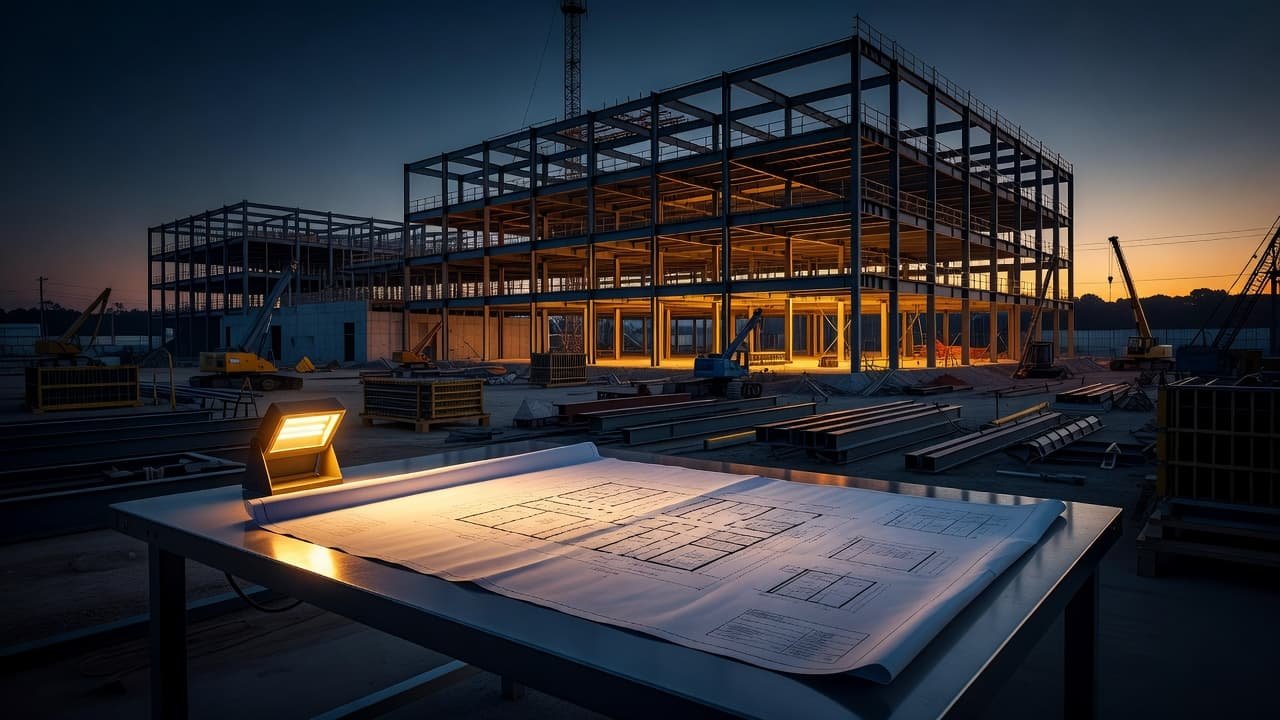
The financial pressure starts because job costs do not wait for project closeout. Labor, insurance, fuel, materials, equipment rentals, and other expenses are due on their own schedules. Meanwhile, a final inspection, punch-list item, lien waiver, or dispute can delay the release of retainage. Furthermore, state laws often dictate the specific timelines and conditions under which a subcontractor can successfully collect these withheld funds.
A helpful construction retainage overview explains that these funds are generally released after the work reaches substantial completion. The exact timing depends on the contract, the local regulatory environment, and the formal project acceptance process.
Retainage is not lost revenue, but it can become unavailable working cash for far longer than a contractor planned.
The issue becomes more acute when a company is awarded another commercial job before the previous one closes. Mobilization requires deposits, labor scheduling, and material purchases long before the first draw arrives. Declining a solid contract because capital is trapped in completed work can stall a growing business.
Construction firms should track retainage separately on their work-in-progress schedule. Treating it as cash already available produces misleading forecasts. As construction cash flow reporting guidance points out, retainage affects both liquidity and financial reporting.
How Contractor Retainage Financing Works
Retainage financing converts a portion of a verified, future progress payment into usable capital today. This specific branch of construction finance allows providers to review the project contract, payment history, retainage balance, and the overall creditworthiness of the entity responsible for the final payout.
Approval usually depends less on a single credit score than on the underlying quality of the receivable. A strong general contractor, a clear payment trail, signed change orders, and a well-documented closeout package significantly improve the file.
Once approved, the business receives funds to cover a defined gap. When the retainage is finally released, those proceeds repay the facility according to the agreed structure.
Several financing options can help manage the cash flow of long commercial projects:
| Financing option | Best fit | Primary consideration |
|---|---|---|
| Retainage bridge financing | A verified retainage balance with a clear release date | Cost must fit project margin |
| Invoice factoring | Approved progress invoices or receivables | The customer usually verifies the invoice |
| Unsecured business lines of credit | Ongoing gaps across several jobs | Limits depend on revenue and credit profile |
| Material financing | Early project phases and bulk supply orders | Inventory must be managed efficiently |
| Construction business bridge loans | A short-term need before known funds arrive | Repayment must match expected project cash flow |
| Term working capital | Larger needs with a longer payoff horizon | Fixed payments may pressure slow months |
A bridge specifically designed for retainage is often a better match than a product requiring daily repayments. Long commercial jobs can have 30, 60, or 90 day payment cycles. Your financing should respect that timeline instead of draining the operating account before the owner releases funds.
Some providers advance a percentage of eligible receivables rather than the full retained balance. That cushion protects against disputes, timing changes, or final adjustments. The advance rate, fees, payment frequency, lien requirements, and payoff method should all appear in writing before you sign.
How retainage affects construction cash flow is worth reviewing when you are comparing delayed revenue against immediate project expenses. The ultimate goal is to finance the gap, not mask a job that is losing money.
Prepare Your File Before the Cash Gap Gets Urgent
Fast business funding moves faster when your records are ready before a tight payroll week. A lender or funding partner needs enough detail to verify that retained revenue exists and that your company can finish the work.
Start with a current work in progress schedule. It should show the original contract amount, approved changes, costs to date, billings, retainage held, estimated cost to complete, and expected gross profit. If the schedule is outdated, an underwriter cannot tell whether the retained amount is truly collectible.
Have these documents organized in one secure folder:
- Executed prime contracts, subcontracts, change orders, and the payment terms tied to retainage.
- Recent pay applications, progress payment history, approved invoices, payment confirmations, and lien waivers.
- A current accounts receivable aging report and work in progress schedule.
- Preliminary notice and mechanic’s lien documentation for all active projects.
- Three to six months of business bank statements, plus a clear explanation of any unusual deposits or withdrawals.
- Insurance certificates, bonding information, licenses, and closeout documents when the job is near completion.
Next, confirm who controls payment. A subcontractor should have their construction contract and all relevant correspondence ready to show that the project owner can influence release timing. Ask direct questions about punch list status, inspection dates, pending claims, and required closeout documents.
Do not treat an unsigned change order as guaranteed revenue. If your retainage calculation includes disputed or unapproved work, separate it from confirmed amounts. Clear records protect your negotiating position and prevent a capital request from being delayed by avoidable questions.
Many owners wait until a payroll crisis to seek 24-hour business loans or same day business funding. Those tools can help in a genuine emergency, yet preparation gives you more control over price and terms. Establishing a financing relationship while the project is healthy usually gives you better choices than applying during a cash shortfall.
For companies with six or more months in business and consistent receipts, working capital can cover a temporary payroll or material gap while a project receivable matures. It is most useful when you can name the source and expected timing of repayment.
Match the Financing Term to the Project Timeline
A long commercial job has several distinct cash needs. Early phases often require labor, deposits, and equipment. Mid-project needs can include supplier payments and change-order work. Closeout may bring retainage delays, warranty obligations, and final punch-list costs.
Using one capital product for every stage can create unnecessary expense. Match the facility to the expected payment event. Before pursuing external financing, consider alternatives like a retention bond or a performance bond issued by a surety company. These instruments can sometimes convince a project owner to release withheld funds ahead of the standard schedule. Because state laws often dictate how long a project owner can hold funds, understanding your specific regional requirements is essential.
For example, a bridge loan tied to a verified final payment may make sense after substantial completion. A revolving line is usually more practical when several jobs create overlapping gaps throughout the year. With a line of credit, you draw only what the company needs and pay only on the amount used, subject to the agreed terms.
A construction company with strong revenue, a solid operating history, and business credit in the 680-plus range may qualify for premium funding options. Better financial records can support lower-cost structures and larger limits.
Before accepting a proposal, compare the offers against the same questions:
- What is the total dollar cost if retainage arrives on the expected date, and what changes if it arrives late?
- Does repayment occur daily, weekly, monthly, or when the retainage payment is released?
- Is there a UCC filing, personal guarantee, or assignment of receivables?
- Can early payoff reduce the total cost?
- Does the facility affect your surety relationship or existing lender covenants?
A short-term facility with frequent fixed withdrawals can be dangerous if the general contractor pays late. Cash flow is the issue, so repayment timing matters as much as rate.
The rules and payment timing behind construction retainage also vary by contract and jurisdiction. Review your agreement with construction counsel or your accountant before you rely on a projected release date.
Use Capital to Protect Margin and Keep Jobs Moving
Retainage financing should fund activities that preserve or create a measurable return. Payroll continuity is often the first priority because skilled crews are difficult to replace. Paying a supplier early may also preserve a discount or prevent a delivery delay that threatens the project schedule, helping to protect your profit margin.
This is where working capital for SMBs becomes more than an emergency tool. A contractor can use capital to mobilize for a signed job while prior retainage remains unpaid. For any subcontractor, maintaining steady cash flow is vital for material financing, ensuring that projects remain on schedule regardless of outstanding payments. The money supports revenue-producing work instead of sitting idle in a closed-out project.
A commercial electrician might cover payroll for an active crew while waiting for retainage from a finished medical office build-out. A concrete contractor may use a bridge to secure forms, rentals, and labor for the next phase of a warehouse project. Professionals across the construction industry use these tools to scale operations, and both situations require disciplined forecasting rather than guesswork.
Other industries face similar timing problems, though the asset behind the cash gap differs. Healthcare practice working capital can cover payroll while insurance reimbursements remain pending. Retail seasonal inventory funding helps an established store order products before holiday demand peaks. Inventory financing for e-commerce can fund bulk purchases when a proven seller receives a supplier discount.
Restaurants may use restaurant equipment financing for a revenue-producing oven, refrigeration unit, or point-of-sale upgrade rather than draining operating cash. Funding for service-based businesses can cover labor and software costs when client invoices lag behind delivery.
These examples matter because alternative funding for small businesses should match the use of funds. A payment tied to a known receivable differs from capital for a long-life equipment purchase. A facility built for the wrong purpose can absorb more margin than it saves.
Keep a simple use-of-funds schedule. List the amount requested, the exact expense it will cover, the expected return, and the source of repayment. That discipline helps you decide whether instant business capital is a sound move or a costly reaction to an operational issue.
Build Financial Strength Between Projects
Long-term growth depends on more than finding funds during a tight month. It requires a credit profile, a reporting routine, and cash reserves that improve your options job after job.
Owners asking how to build business credit fast should start with the basics: maintain an active business entity, use a consistent business address and phone number, pay reporting vendors on time, and keep financial records current. Whether you are managing a complex construction contract or working on federal projects, your ability to document progress is essential. While prompt payment laws exist to protect contractors on public works, you should still prioritize a professional approach to vendor accounts and financial reporting.
Business credit building programs can support a more organized approach to vendor accounts, commercial credit files, and financing readiness. The objective is to separate business operations from personal financial pressure while strengthening the company’s ability to qualify for working capital on its own performance.
Using OPM to scale a business works when capital supports profitable work with a clear payoff source. It fails when borrowed funds cover recurring losses, unpriced change orders, or weak collections. Treat outside capital as a tool with a defined job and exit plan.
Good small business cash flow management also means checking your retainage concentration. If one general contractor holds most of your outstanding retainage, you have a concentration risk. Diversifying customers and monitoring accounts receivable aging reports can help reduce the damage caused by one delayed project or a sudden spike in retainage.
For businesses seeking U.S. small business funding, monthly revenue remains a major part of underwriting. Funding for businesses with $10k monthly revenue may focus on bank activity and revenue consistency, while small business capital for established companies can incorporate stronger financial statements, payment history, and credit depth.
Reduce Cash Drain Outside the Jobsite
Capital costs matter, but operating leaks matter too. Before seeking financing for a shortfall, review your recurring expenses. Excess equipment rentals, unused software, unfavorable supplier terms, and high merchant fees can all weaken cash flow.
Beyond general overhead, consider the administrative side of your contracts. For instance, some agreements allow for retainage to be placed in an escrow account, which keeps those funds secure until project completion. Additionally, staying informed about prompt payment laws can help you manage cash flow more effectively by ensuring timely draws. When project partners fail to pay, knowing how to leverage your lien rights, specifically your mechanic’s lien, can prevent unnecessary financial strain. Always monitor your contract terms to ensure your retention percentage stays within industry standards and local legal limits.
For contractors with a showroom, service department, or retail counter, dual pricing payment processing for SMBs may help reduce the impact of card acceptance costs. Transparent payment processing can also clarify fees that often get buried in monthly statements.
Emergency business funding should remain a backup plan, not an operating model. Equipment failure, storm damage, a delayed draw, or a major material opportunity can justify urgent capital. Still, the most durable solution is forecasting the gap several weeks earlier.
No upfront fee business loans deserve close attention because the absence of an upfront charge does not eliminate all costs. Ask for the total repayment amount, payment schedule, origination costs, collateral requirements, and late payment terms. A performance based model should be clear enough to explain to your controller, partner, or surety agent.
If your situation is complex, compare business loan brokers and direct lenders based on fit, speed, and transparency. The right partner should understand commercial construction documents and explain the tradeoffs without pressure.
Frequently Asked Questions
How does retainage financing differ from a traditional business loan?
Retainage financing is specifically tied to the verified value of work you have already completed but which remains held by the project owner until closeout. Unlike a general business loan, this funding is structured to match the expected release of those specific withheld funds, preventing the need for daily or monthly repayments that could strain your operating cash flow.
Do I need perfect credit to qualify for retainage financing?
Approval often focuses more on the quality of the receivable and the creditworthiness of the entity responsible for the final payout than on your individual credit score. Providers will typically examine your signed contracts, payment history, and the strength of the general contractor to verify the security of the retainage balance.
What documentation do I need to speed up the funding process?
To secure funding quickly, you should keep an organized file containing your executed prime contracts, current work-in-progress schedules, and approved pay applications. Providing clear documentation of your billing history, lien waivers, and a list of outstanding closeout items allows lenders to verify your eligibility and project status without delays.
Will using this type of financing affect my ability to get future jobs?
When used strategically to keep crews paid and materials on site, retainage financing protects your reputation and helps you maintain a consistent project schedule. However, it is important to treat these facilities as a tool for bridge capital rather than a way to mask underlying project losses or operational inefficiencies.
Keep Retainage From Dictating Your Next Move
Retainage financing gives contractors a way to turn earned but delayed revenue into operating capacity. It can protect payroll, preserve supplier relationships, and keep the next commercial project within reach.
The strongest decision connects the amount, repayment schedule, and total cost to a verified payment event. By aligning your construction contract terms with your expected project milestones, you ensure better cash flow stability throughout the life of the build. For the modern subcontractor, viewing contractor financing as a strategic tool rather than a crisis measure is key to scaling operations. With clean project records and disciplined forecasting, contractor retainage financing becomes a practical bridge that prevents retainage from stalling your growth.
This post may contain affiliate links. If you make a purchase through these links, I may earn a small commission at no extra cost to you.