

When a $50k contract is on the line but your capital is tied up in accounts receivable, speed isn’t a luxury, it’s a necessity.
A broken oven, a downed skid steer, or an aging X-ray unit can stall revenue fast. In that moment, equipment financing vs equipment leasing isn’t a theory question. It’s a cash flow decision that affects growth, taxes, and risk.
The best choice comes down to one thing: with equipment financing you gain ownership of the asset, or with equipment leasing you protect cash while you grow.
Key Takeaways
- Ownership builds equity with financing: Choose equipment financing for long-life assets like excavators or ovens that produce revenue for years, gaining full ownership, depreciation, and Section 179 tax benefits at the end.
- Leasing protects cash flow: Opt for equipment leasing when cash is tight or equipment changes fast, like tech-heavy devices, with lower upfront and monthly payments plus options to return, renew, or buy.
- Compare total costs, not just payments: Financing rates often range 6-15% for qualified borrowers, but leasing can hide higher lifetime costs—always review full payback, asset life, and business earning structure.
- Follow four steps before signing: Forecast 90-day cash flow, measure asset earning life, gather docs like bank statements and quotes, and build backups like lines of credit for emergencies.
- Prioritize growth momentum: The best choice keeps revenue moving—financing for equity, leasing for flexibility—tailored to your industry and cash needs.
Ownership builds equity, leasing protects cash
Equipment financing usually means an equipment loan tied to the asset. You make monthly payments over time, then you gain ownership of the equipment. Equipment leasing usually means you pay for use during a set term, then return it, renew it, or buy it out.
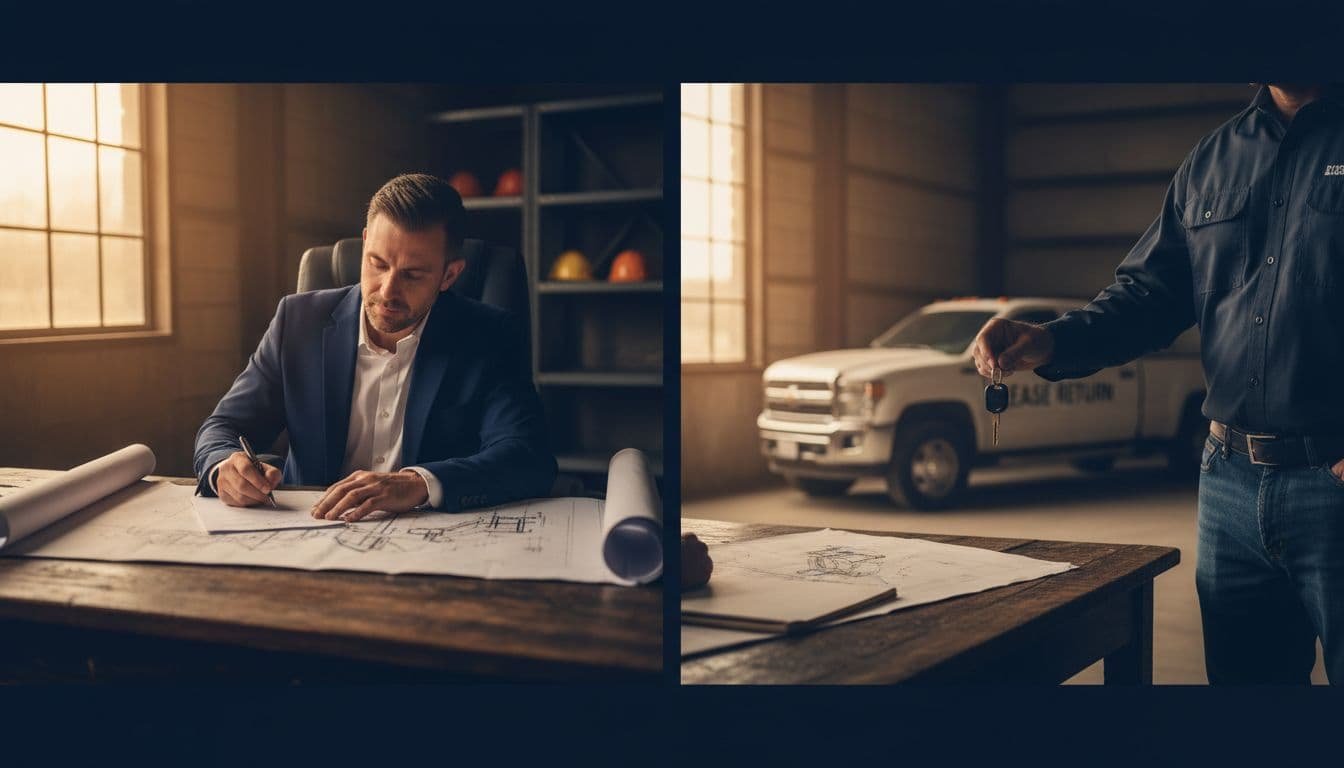
One quick comparison makes the trade-off between equipment financing and equipment leasing easier to see:
| Factor | Financing | Leasing |
|---|---|---|
| Upfront cost | Often higher | Usually lower |
| Monthly payments | May be higher | Often lower |
| End of term | You own it | You return (residual value applies), renew, or buy |
| Best fit | Long-life equipment | Fast-changing or short-use equipment |
Recent 2026 equipment finance data shows that 82% of U.S. companies use loans or leases to acquire equipment, and equipment leasing remains the most common single method. That’s not surprising. Cash is oxygen for a growing business.
Still, lower payments don’t always mean lower cost. SBA’s equipment financing and leasing tips point out that ownership often works better for assets with a long useful life. PNC’s comparison guide also notes that equipment leasing can preserve cash when growth is fast or liquidity is tight, often covering maintenance costs.
A low monthly payment can hide a higher lifetime cost.
As of April 2026, well-qualified borrowers often see equipment loan rates in the 6% to 15% range through banks or SBA-backed programs. Alternative funding can cost more, so always compare the full payback amount, not only the monthly payments. If the equipment will earn money for five to seven years, equipment financing often wins through ownership. If the asset becomes outdated quickly, equipment leasing usually makes more sense.
Match the structure to the way your business earns
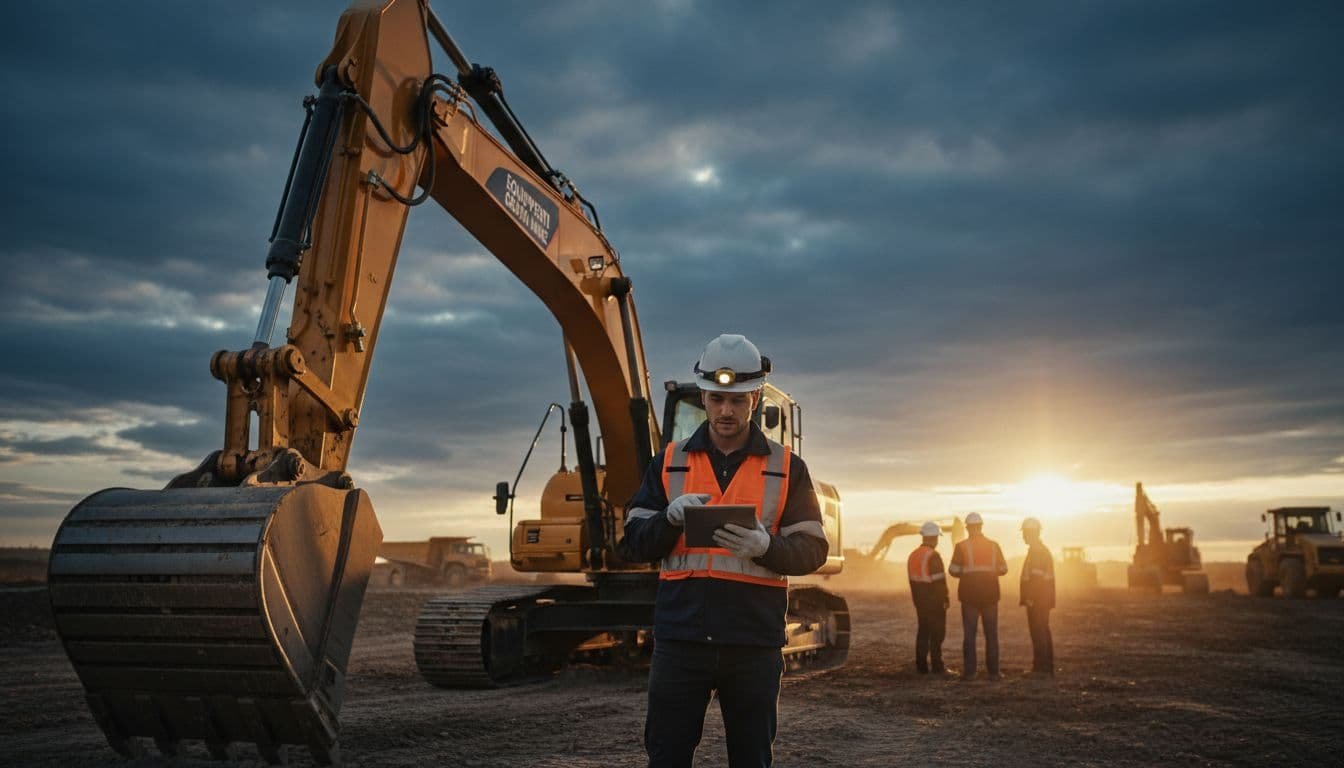
A contractor buying an excavator for daily use usually benefits from equipment financing. The machine produces revenue for years, and ownership matters. Meanwhile, a contractor waiting on project draws may pursue an equipment loan secured by business assets and collateral, then use working capital for labor, fuel, or gaps between milestones. That’s where Working capital for SMBs and Construction business bridge loans fit the real-world picture, much like another equipment loan backed by business assets and collateral.
Healthcare is different. A practice may pursue equipment financing for sterilizers, chairs, or imaging gear that stays productive for years. But software-linked devices and fast-moving tech often fit equipment leasing better due to technological obsolescence. Many owners pair that decision with Healthcare practice working capital so payroll, supplies, and claims delays don’t choke growth.
Retail and e-commerce owners need a mixed approach. A store may pursue equipment financing for refrigeration or shelving but still need Retail seasonal inventory funding before the holidays. An online seller may choose equipment leasing for warehouse tech that changes fast and use Inventory financing for e-commerce to seize a bulk-buy opportunity. For kitchens, Restaurant equipment financing often makes sense for ovens, hoods, and walk-ins that hold value over time.
Service companies sit somewhere in the middle. Funding for service-based businesses often includes vans, trailers, and diagnostic tools that support daily jobs. If the tool earns every week and lasts years, equipment financing is hard to beat. If the equipment is niche or temporary, equipment leasing keeps your balance sheet lighter.
Four smart steps before you sign
Growth-minded owners can make this decision faster with a short review.
- Start with a 90-day cash flow forecast. Strong small business cash flow management tells you whether a down payment helps or hurts. If cash is tight, an operating lease with flexible monthly payments may protect operations better than owning, which often requires a larger down payment and higher monthly payments.
- Measure the earning life of the asset. If the equipment will still produce profit after payoff, a capital lease or $1 buyout lease is usually stronger, offering ownership benefits like depreciation and Section 179 tax benefits. If the asset ages fast, an operating lease with a fair market value option keeps room for upgrades and smarter asset management.
- Gather the documents that speed approvals, including your credit history. Most lenders want recent bank statements, a vendor quote, basic business info, proof of revenue, and an equipment finance agreement. That matters if you’re looking for Funding for businesses with $10k monthly revenue, Small business capital for established companies, or broader U.S. small business funding with a performance-based model.
- Build backup options before the next emergency. Fast business funding, Same day business funding, 24-hour business loans, Instant business capital, and Emergency business funding can keep revenue moving when equipment fails. But the best deals are transparent, especially when you’re comparing No upfront fee business loans, Alternative funding for small businesses, and line of credit tools for slow seasons.
A standby line of credit also helps because Unsecured business lines of credit give you room to act without reopening the whole application every time. If your scores and revenue are strong, premium funding options may offer better terms.
Long-term, the bigger play is Using OPM to scale a business without draining reserves. That works best when you also invest in business credit, learn how to use other people’s money responsibly, and look at business credit building programs before you need the next truck or scanner. You can also free cash by cutting card costs. Dual pricing payment processing for SMBs and better payment processing can reduce overhead without adding another monthly loan.
Frequently Asked Questions
What’s the key difference between equipment financing and leasing?
Equipment financing is like a loan where you own the asset after payments, building equity for long-use equipment. Leasing lets you pay for temporary use with lower upfront costs, ideal for fast-changing tech, then return, renew, or buy it out. Choose based on asset life and your cash flow needs to drive growth.
When should a small business choose financing over leasing?
Go for financing if the equipment will earn revenue for 5-7 years, like construction machinery or restaurant ovens, to gain ownership and tax perks. Leasing fits better for short-life or obsolete-prone assets, preserving cash during tight liquidity or rapid growth. Always match to how your business earns.
How do costs compare between the two options?
Financing often has higher upfront and monthly payments (6-15% rates) but lower total cost through ownership. Leasing offers lower payments but potential higher lifetime costs via residuals or buyouts—factor in maintenance coverage and full payback, not just the monthly figure. Compare via 90-day cash forecasts.
What documents speed up equipment financing or leasing approval?
Lenders typically need recent bank statements, vendor quotes, business info, revenue proof, credit history, and an equipment agreement. Strong docs matter for quick approvals, especially for SBA programs or alternative funding. Prepare them early to avoid delays.
Can I combine equipment financing/leasing with other funding?
Yes, pair with working capital, lines of credit, or inventory financing for gaps like payroll or seasonal needs. Backups like emergency loans or OPM strategies keep momentum without draining reserves. This mixed approach fits real-world industries like construction, healthcare, and retail.
Choose the structure that protects momentum
If the equipment will stay useful for years and build value, financing usually makes more sense. If cash is tight or the asset changes fast, leasing often protects growth better.
The best move isn’t the cheapest monthly payments. It’s the option that keeps revenue moving, preserves flexibility, and fits how your business actually earns. Ownership with equipment financing builds long-term equity, while equipment leasing provides lower monthly payments to safeguard cash flow.
If you want a clearer picture before you sign, get a free financial consultation to compare the asset, the term, and the cash flow impact side by side. Prioritizing cash flow as the key factor ensures the structure that truly drives small business growth.
This post may contain affiliate links. If you make a purchase through these links, I may earn a small commission at no extra cost to you.


