

When a $50,000 contract is ready to move but your cash is tied up in payroll, receivables, or inventory, speed matters. Owners chasing fast business funding, same day business funding, 24-hour business loans, or small business loans often send statements first and forget the website lenders check business website details on within minutes.
Your business website won’t replace financials, but it can speed up trust or slow everything down. When lenders check a business website, they want proof that the company is real, active, and consistent with the application.
Key Takeaways
- Consistency is critical: Lenders cross-reference your website data, such as addresses and contact details, against your loan application and public records to verify your business’s legitimacy.
- Design matters less than utility: Underwriters are not judging your site’s aesthetics; they are looking for clear operational signals that prove your business is active, reliable, and capable of generating revenue.
- Policies build trust: Publishing clear payment terms, refund policies, and service details eliminates ambiguity and reduces the likelihood of an underwriter flagging your application for further investigation.
- Align with your funding request: Your website content should explicitly support the specific purpose of your capital request, whether that is equipment financing, inventory management, or general working capital.
Why underwriters look at your website first
A lender’s first priority is assessing credit risk. Before anyone approves instant business capital, emergency business funding, or working capital for SMBs, they want to confirm who you are, what you sell, and how money moves through the business.
That is why underwriters often open your site early. They compare the business name, address, phone number, services, and claims on the site against the application, bank statements, business credit profile data, your personal credit score, and public records.
Accurate business information matters on both sides of a funding decision. A Federal Reserve study of online lender websites shows how much trust depends on clear online details and disclosures. The same logic applies when a lender reviews your company.
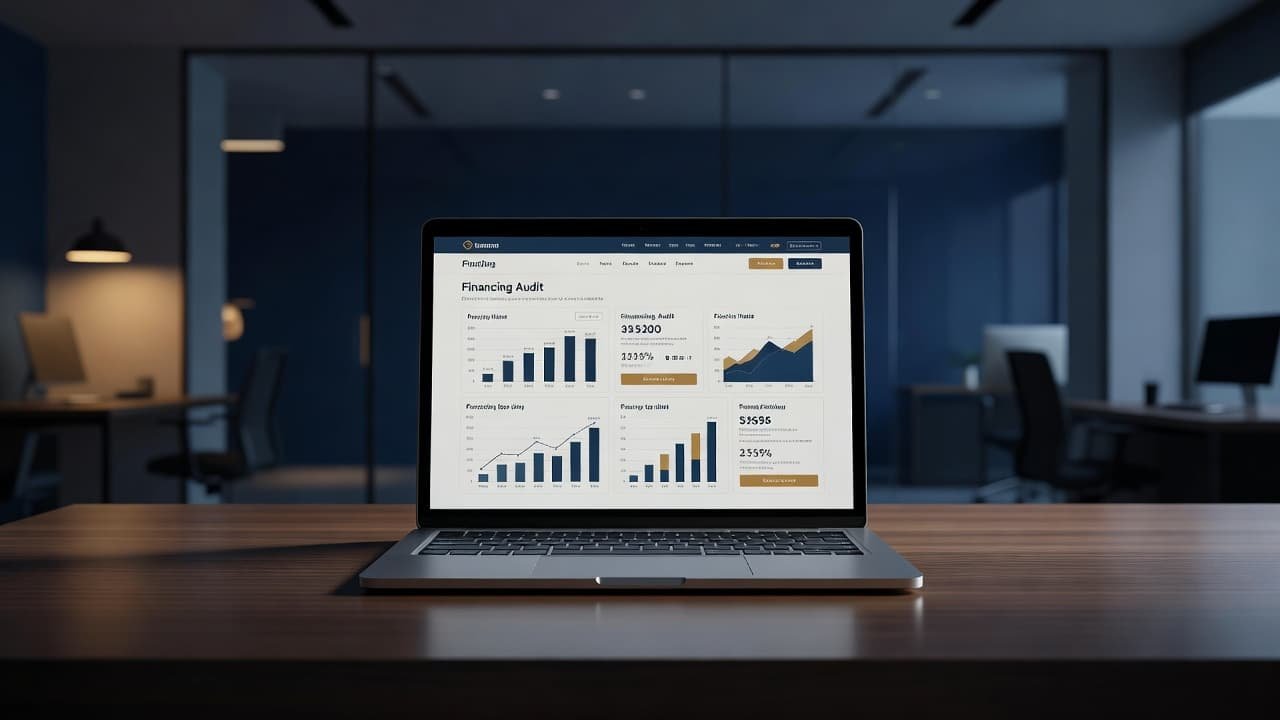
A weak site doesn’t always kill approval. However, it often creates extra questions, especially if you’re seeking no upfront fee business loans, alternative funding for small businesses, or U.S. small business funding that relies on quick verification.
If an underwriter can’t confirm the basics in two minutes, the file usually gets slower, not stronger.
This hits newer growth-stage companies the hardest. For funding for businesses with $10k monthly revenue, consistency often matters more than polished design. For small business capital for established companies, the bar rises because lenders expect a clearer brand, steadier operations, and fewer loose ends.
The website signals that raise or lower confidence
Lenders aren’t grading design taste. They look for operating evidence to establish your creditworthiness. Your site should show what the business does, who it serves, where it operates, and how customers buy or book.
These are the business information signals most underwriters notice first.
| Website element | What a lender reads from it | Problem if missing | Quick fix |
|---|---|---|---|
| Clear home page copy | The business model is easy to understand | Revenue source looks vague | State what you sell, who you serve, and your service area |
| Matching contact details | The company is real and reachable | Identity mismatch raises fraud concern | Use the same phone, address, and DBA everywhere |
| About page, licenses, reviews | The business has history and proof | Operations look thin or new | Add credentials, testimonials, and recent work |
| Policies and next steps | Sales move through a normal process | Buying process looks incomplete | Publish payment, refund, privacy, and service terms |
The takeaway is simple. Your site should answer “who, what, where, and how” fast.
A lender will also notice smaller trust signals. A domain-based email looks stronger than a free Gmail address. An SSL certificate, recent copyright date, working forms, and real team photos all help. Broken links, dead product pages, and stock-only imagery work against you.
The guidance for SBA loans tells business owners to ask about cash flow requirements, minimum scores, and other indicators of financial health before applying. In the same vein, CRIF’s overview of business loan eligibility points to credit profile, documents, and financial stability, reinforcing the various eligibility requirements that mean your website should support those facts, not contradict them.
Different industries need different proof online
The same review process applies across industries, but the proof looks different.
A contractor asking for construction business bridge loans should show active jobs, trade licenses, service territory, and equipment or crew photos that look current. Because project billing often trails labor and materials, the site should also explain the type of work you do, such as roofing, concrete, tenant improvement, or excavation.
For a clinic or dental group seeking healthcare practice working capital, trust signals need to be tighter. Provider bios, specialties, appointment requests, office hours, and a professional privacy notice help confirm that the practice is organized and active.
Retail and e-commerce owners need a site that shows demand and operational readiness. If you are after retail seasonal inventory funding or inventory financing for e-commerce, lenders may review product availability, shipping policies, reviews, and whether the store looks maintained. They also notice payment flow, because dual pricing payment processing for SMBs and modern checkout tools can improve margins and support better small business cash flow management.
Restaurants and service companies have their own tells. A business requesting restaurant equipment financing should show current menus, hours, location data, and working online ordering or reservation tools when relevant. Meanwhile, funding for service-based businesses, including common term loans, looks stronger when the site includes scheduling, service packages, before-and-after work, and recent client feedback.
In every case, the website should match the reason for the capital. A seasonal retailer preparing for a holiday rush needs a different online story than a contractor waiting on project draws.
A 30-minute website audit before you apply
You do not need a full rebrand before you request capital. However, you do need a clean digital file that supports the numbers in your application. That matters whether you are pursuing small business loans, a line of credit, or same day business funding to bridge payroll, buy inventory, or cover a repair.
- Tighten your identity signals. Put the legal name or DBA, phone number, city, state, and domain-based email on every key page. Match those details to your application, invoices, Google Business Profile, and bank account. Aligning this data is essential, as lenders often compare your site against your business credit report to ensure consistency and protect against identity theft.
- Show current activity. Update service pages, add recent project photos, refresh inventory, and replace stale dates. If your business has been open at least six months and produces stable deposits, show signs of life that back up your reported annual revenue.
- Publish the policies that remove doubt. Add payment terms, repayment terms, shipping or service-area details, refund language, privacy language, and a real contact path. Owners focused on 24-hour business loans or instant business capital often skip this step, yet missing policies can slow a fast review more than a plain design ever will.
- Make the site match the use of funds. If you are asking for emergency business funding after an equipment failure, your site should demonstrate that this equipment is vital collateral for your operation. If your business carries significant debt, ensure the site content reflects a healthy debt service coverage ratio to reassure the lender. Even if you are providing a personal guarantee, your website serves as an extension of your professional credibility.
A lender may also ask for recent bank statements, merchant statements, a driver’s license, a voided check, and sometimes receivables or invoice detail. When the documents and website tell the same story, approvals usually move faster.
This is also where long-term strategy enters the picture. If you are researching how to build business credit fast, start by making your website match your EIN records, vendor data, and trade accounts. Consistent information helps Dun and Bradstreet and other business credit bureaus verify your entity, which is vital for effective credit monitoring. Maintaining a strong business credit score can eventually help you negotiate lower interest rates, which matters if you are using OPM to scale a business instead of paying for every growth move out of cash flow.
For stronger operators, better terms often come with better presentation. If your company has solid revenue, clean records, and a professional web presence, funding programs for growing businesses may fit better than a one-size-fits-all offer.
Frequently Asked Questions
Do I need a professionally designed website to get a business loan?
No, lenders do not require a high-end or flashy design to approve funding. They primarily look for a functional, accurate, and professional site that confirms your business exists and is actively operating as described in your application.
Can a weak website lead to a loan denial?
While a poor website doesn’t automatically cause a denial, it often creates unnecessary friction during the underwriting process. If an underwriter cannot quickly confirm your business model or contact details, it may trigger additional questions, delay your approval, or make your file appear higher-risk.
What specific information do lenders look for first?
Lenders typically look for consistent contact information, a clear description of your products or services, and evidence of recent activity. They want to see that the address, phone number, and business name match the data provided on your loan application and credit report.
Should my website reflect my specific industry?
Yes, industry-specific proof is highly valuable to underwriters. For instance, contractors should display evidence of trade licenses and active job sites, while retail businesses should showcase their inventory and clear shipping or return policies to demonstrate operational readiness.
Final thoughts
A lender does not need a flashy site. They need a credible one. When your website accurately reflects your revenue story, it validates your business credit report and can even influence the interest rates offered to you during underwriting, making the entire process faster, cleaner, and easier to defend.
That matters whether you are seeking fast relief for a short gap or planning your next growth move with more discipline. A quick website cleanup today can save days of back-and-forth when capital needs to move in 24 to 48 hours.
If you want a second opinion before applying for small business loans, a free financial consultation can help you spot the gaps, improve your business credit score, and compare options without pressure.
This post may contain affiliate links. If you make a purchase through these links, I may earn a small commission at no extra cost to you.


